COMING SOON TO AMAZON BOOKS – “Representing Jesus in a World that Needs Him”

Apostles to the Apostles and Biblical Theology

Humanity’s understanding of itself and God has been shaped by apostolic writings and their theological interpretations.
The incredible apologetics of the early centuries defended the faith by formalizing Biblical doctrine and its core beliefs. During the first three centuries following the death and resurrection of Jesus, Christianity experienced significant growth and persevered through periods of persecution while also addressing various heresies, such as Docetism (Jesus said to be only divine) and Ebionism (Jesus said to be only a human prophet).
Although knowing theology doesn’t bring salvation, it is important for pastors to learn to ensure they are knowledgeable in sound doctrine in order their congregation may grow in their faith.
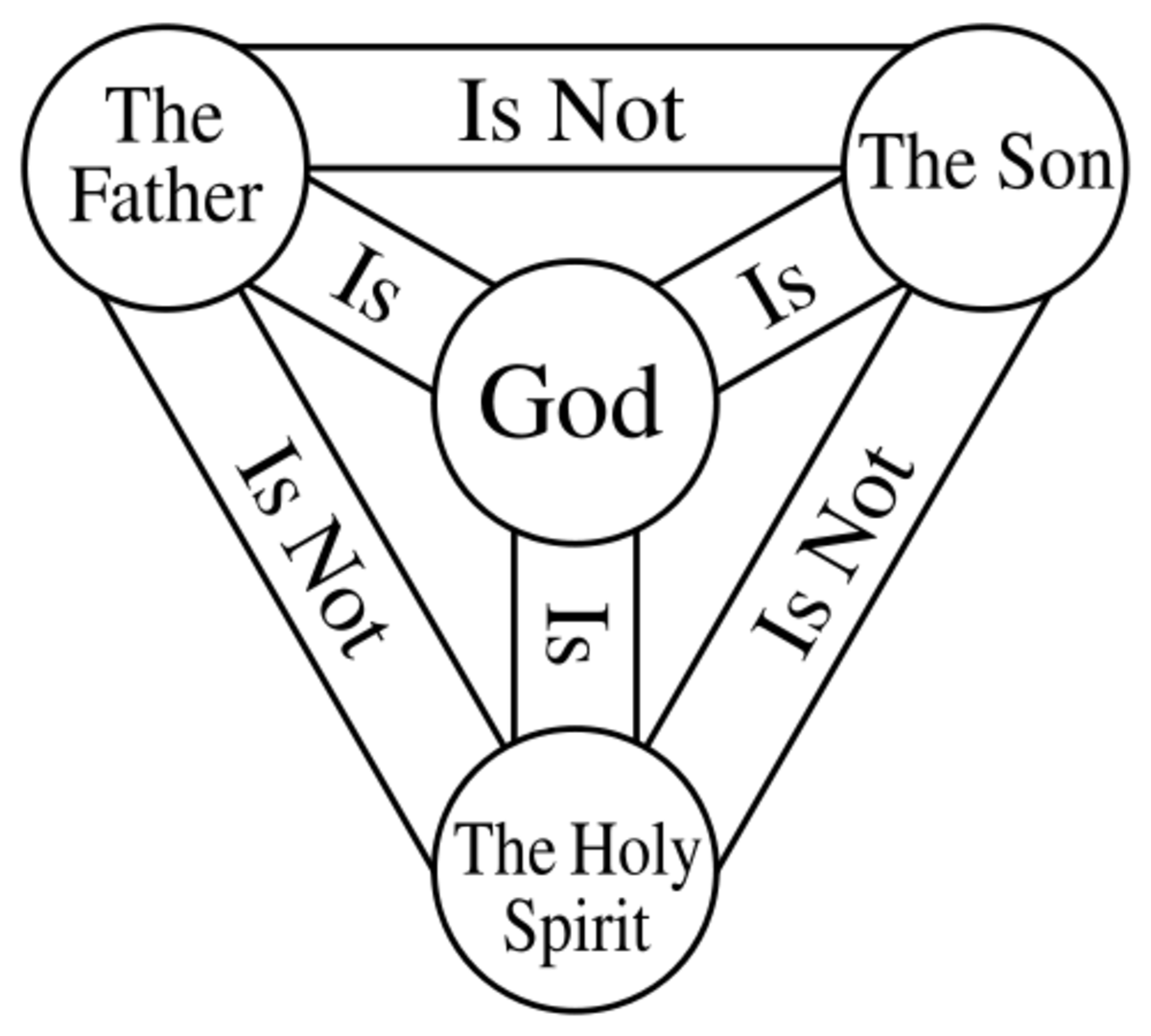
After Jesus departed, the early church began forming a systematic theology. Believers connect with the Father through faith in Jesus, made possible by the Holy Spirit rather than human effort, highlighting how the Father, Son, and Holy Spirit work together in salvation. Aquinas and Calvin described this as an “economy” rooted in Jesus’ sacrifice, death, and resurrection—a salvation story that starts in the Old Testament, when humanity walked with God, was separated by sin, and is ultimately restored through Jesus.
******************************
Scholars and Theologians Establish Church Doctrine
The Patristic era, shaped by influential thinkers like Justin Martyr and Tertullian, set the stage for theological development that reached new heights in the Middle Ages with Thomas Aquinas. Aquinas brought a systematic approach to doctrine, blending faith and reason to explain the wisdom of God revealed at the cross and the atonement through Christ’s sacrifice. Quoting the Apostle Paul, “Jesus became for us wisdom from God” (1 Cor 1:30), Aquinas taught that Jesus not only possessed wisdom greater than Solomon’s but was the very embodiment of God’s wisdom. He stressed that faith is primary, while reason helps clarify the spiritual, physical, and mental aspects of a believer’s life. Recognizing faith as central to salvation, Aquinas further defined concepts like original sin and original justice—gifts humanity held before the fall and now seeks to regain through Christ.
During the early centuries, scholars and theologians from the Alexandria school of thought that incorporated elements of Greek philosophy of the Eastern Orthodox, and the Antiochene school of thought that was influenced by Judaism, played pivotal roles in shaping church doctrine. The establishment of the first councils was crucial in defending both the human and divine nature of Jesus against heretical views. The Apostles had to hand down to their successors and thereby from generation to generation a fixed deposit of truth. As scripture shows, Jesus clearly says, “I and the Father are one” (John 10:30); theologians and scholars had to clarify and defend this meaning because of heretics of the day, including Gnosticism, Arianism and Arminianism. Gnostics believed in a mystical knowledge for salvation; Arianism believed Jesus was created; and Arminianism believed that salvation is conditional and up to man, capable of being lost as opposed to God’s sovereignty. Each of these beliefs can still be found in some religions today.

History shows that Christianity not only survived times of persecution but thrived, eventually becoming the dominant faith across the Roman Empire. After Constantine’s conversion and the split of the Empire into Western and Eastern (Byzantine) regions, cultural and political forces deeply influenced the church, just as the church shaped society. During the Middle Ages, monasticism grew significantly, marked by Saint Benedict’s creation of monastic rules and the rise of scholastic orders like the Dominicans, Franciscans, and Augustinians. Prominent theologians were often members of these orders: Anselm and Augustine were Benedictines (focus on work and prayer), Aquinas was a Dominican (focus on teaching and preaching), and Ockham a Franciscan (focus on poverty and serving the poor). The reformation era theologians like Ulrich Zwingli, Martin Luther, and John Calvin held differing interpretations regarding aspects of scripture, including the Eucharist. For example, Zwingli regarded the Eucharist as symbolic, Luther believed in Christ’s physical presence, and Calvin maintained that Christ was spiritually present in the bread and wine.
Menno Simmons, influenced by Zwingli, supported the Anabaptist critique of infant baptism viewing it as idolatrous. While Reformers held differing views, they shared core doctrines like sola scriptura and justification by faith alone. They advocated for scripture access for all, whereas the Catholic church emphasized faith, rituals, and sacraments for salvation. The division between Protestant and Catholic perspectives persisted, eventually influencing the New World through figures like the Puritans and Jonathan Edwards, who, similar to Aquinas, took a philosophical approach to describing God’s attributes.
******************************

The Councils on the Substance and Essence of Jesus
The early centuries of Christian doctrine were shaped by key events like the Councils of Nicaea (325 AD) and Constantinople (381 AD), which established foundational creeds. Thinkers such as Origen (185–254) influenced Arius of Alexandria, leading to Arianism (as mentioned above)—The belief that Jesus was a created being and that the Trinity does not exist. The Cappadocian Fathers—Gregory of Nazianzus, Basil of Caesarea, and Gregory of Nyssa—helped clarify the difference between Jesus being of “similar substance” (homoiousios) and “same substance” (homoousios) with the Father. The Nicene Creed affirmed the latter, confirming Christ’s divinity and sinlessness, a view also supported by Justin Martyr, Irenaeus, and Tertullian before the council. The core debate was that if Jesus wasn’t divine, redemption couldn’t happen. Athanasius, Bishop of Alexandria, pushed back against such views, insisting on Jesus’ divinity and unity with the Father. This discussion came to a head at the Council of Constantinople in 381, where Athanasius influenced the doctrine of Jesus and the Trinity. Later, Aquinas, like Augustine, taught that humanity seeks to return to its original state of harmony with God, called original justice, and that faith in Christ restores this, moving from the first Adam in Genesis that brought death to the second Adam, Jesus who brings eternal life.
******************************
The Middle Ages

The Renaissance and Humanism of the Middle Ages played a significant role in shaping Romanticism, Secularism, and Liberalism in the modern era. The Enlightenment, often called the Age of Reason, further emphasized “reason,” which led to a decline in belief in the supernatural. Influences like the Thirty-Year War contributed to the development of these new perspectives and growing skepticism about religion. As humanism gained momentum alongside advancements in science and astronomy, people became less concerned with religious matters or belief in God.
The Romantic era of the 1800s embraced mysticism and pushed back against Enlightenment thinking. Rather than promoting traditional religion, Romanticism emphasized human feelings, intuition, and metaphysical ideas, deliberately setting aside belief in God. Deism also emerged during this period; it acknowledged the existence of a god or higher power, but not specifically the God (Yahweh) of the Bible. By the late 20th and early 21st centuries, society began to see renewed expressions of open, unashamed faith in God. Modern Christians publicly affirm theological ideas from Luther, believing that faith offers assurance of salvation. Contemporary believers also hold to the economic understanding of the Godhead described by Calvin and Tertullian, as seen in the Genesis account of creation and in the Gospels depicting Jesus’s baptism to everlasting life in individuals and the Church as a whole.
How does human will play a role? Cardinal Cajetan, as well as Phillip Melanchthon and John Calvin, with the exception of Martin Luther, believe that humans accept God through a cooperation between their own will and the Holy Spirit. According to Saucy, the image of God that shapes the relational nature of the human heart also reflects the relational nature of its source – God, especially as revealed in the person of the Holy Spirit. In contrast, Luther maintained that human will is not responsible for doing good; instead, it is solely God’s will at work through the Holy Spirit. Calvin and Augustine, differing from Luther, uphold the doctrine of predestination, teaching that those chosen by God will inevitably come to faith and thus receive salvation. Throughout this process, God demonstrates love, mercy, and grace, rescuing humanity from eternal punishment (Matthew 25:46) and granting everlasting life to individuals and to the Church collectively.
Christian theologians see reason as a meaningful path to explore faith through the Bible’s unchanging truth. Followers of Jesus trust Scripture and interpret it through the regula fidei (rule of faith) found in its authoritative books. Theology reveals God’s character through His Word and come to know Him by reflecting on His creation, prayer, study and meditate on His Word, fasting and service. The complexity of the universe, earth, and all living things points to His intelligence. Our experiences and learning about our Creator help us understand ourselves and His purpose for our lives, and deeper study strengthens our personal relationship with Him.
.
******************************
References
Crisp, O. D. (2009). Jonathan Edwards on the Divine Nature. Journal of Reformed Theology, 3(2), 175–201. Retrieved from https://doi-org.lopes.idm.oclc.org/10.1163/156973109X448724
White, T. J. (2014). St. Thomas Aquinas and the Wisdom of the Cross. Nova et Vetera (English Edition), 12(4), 1029–1043. Retrieved from https://lopes.idm.oclc.org/login?url=https://search.ebscohost.com/login.aspx?direct=true&db=a9h&AN=100914445&site=eds-live&scope=site
Mihindukulasuriya, P. (2014). How Jesus Inaugurated the Kingdom on the Cross: a Kingdom Perspective of the Atonement. Evangelical Review Of Theology, 38(3), 196-213. Retrieved by: https://lopes.idm.oclc.org/login?url=http://search.ebscohost.com/login.aspx?direct=true&db=rlh&AN=96993783&site=eds-live&scope=site
January 2025
Jesus King of kings and Lord of lords



Abortion has often been seen as a political issue intended to be rare, but it has become a more common method of birth control, especially among minority groups. Since the feminist movement and the 1973 Roe v. Wade decision, some have considered abortion a serious crime. As Americans continue to be divided, more people see the issue as a moral concern rather than merely a political one. There was a time when America regarded the Bible as the standard and God as the ultimate truth, yet in the last 50 years, shifting values—particularly regarding abortion—have contributed to a decline in faith and family values. While the United States, India, and China report the highest abortion rates, about 24 countries, including Nicaragua, the Philippines, Egypt, Malta, and Haiti are pro-life.
Historical

The belief that life begins at conception isn’t new; for centuries, philosophical and theological perspectives have held this view, and in recent times science has confirmed it. Plato supported population control and eugenics, while Aristotle believed unhealthy or deformed babies should be disposed of. Jerome and Augustine couldn’t determine when a fetus transitioned from “formatus” to “informatus,” marking ensoulment. Tertullian held that body and soul began together at conception, whereas Aristotle claimed the soul entered the embryo 40 days after conception for males and 90 days for females. Tertullian viewed the seed as the potential person with the fruit already in its seed. Aquinas believed God created the soul with a mind at the moment of conception, coinciding with the embryo’s first formation. While science can’t confirm “sequential substantial changes” in fetal stages, modern philosophy aligns with natural science in recognizing that the ovum—the initial union of sperm and egg—contains the genetic code that guides the entire psycho-physical development of a human being.
God is Truth
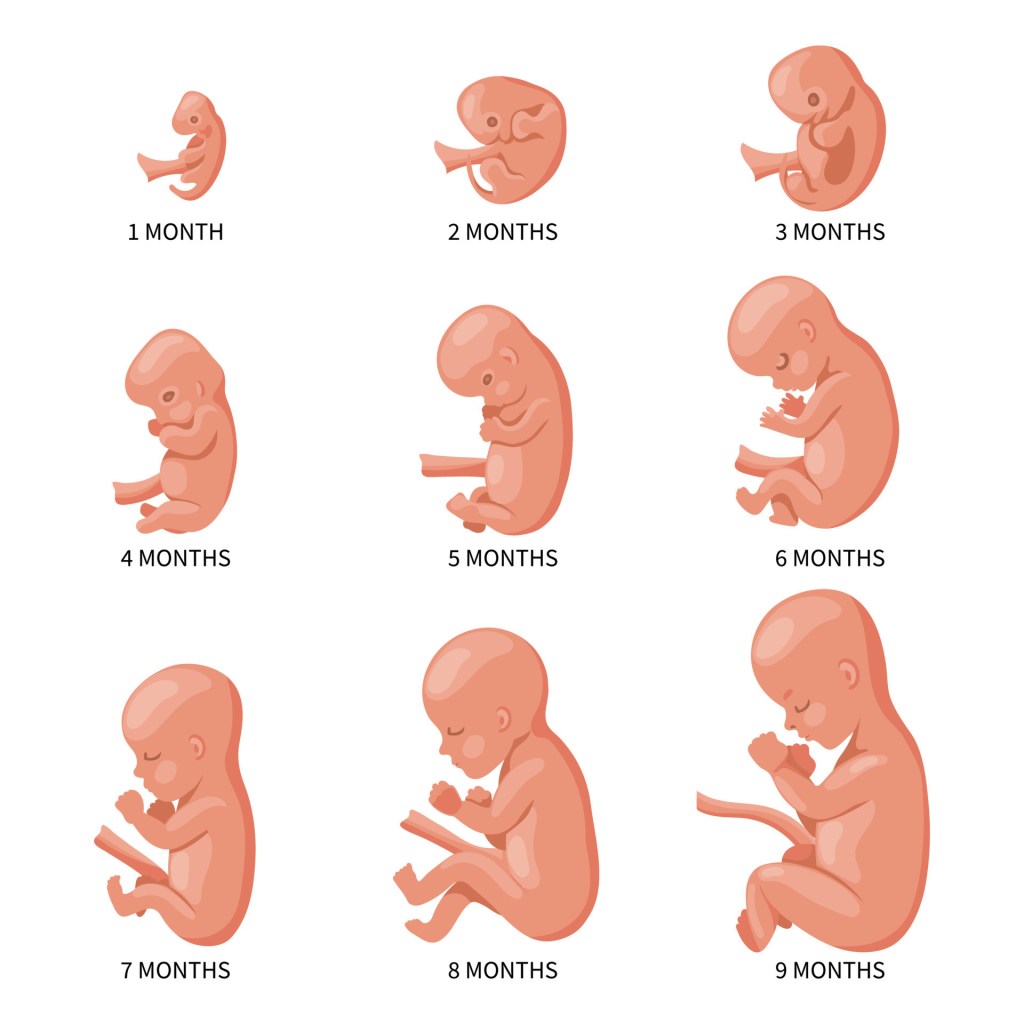
God is the ultimate scientist and the universe is a product of intelligent design rather than random chance. The cell’s complexity and its ability to regenerate shows the intentional work of a sovereign God who ordains everything, including egg fertilization, no matter the circumstances. While this can be hard to fully understand with our limited minds, there’s much we do know. God says, “Let us make mankind in our image, in our likeness…” (Genesis 1:26) and commands us to “be fruitful and multiply” (Genesis 1:28). From the very beginning with Adam and Eve, God entrusted humans with bearing His image, caring for the earth, and ruling over all living things (Genesis 2:28). The Bible’s historical and scientific accuracy make it a timeless source of truth.
God knew us before the world began, every human being is a unique and treasured gift from Him. Psalm 139 describes how God formed our innermost parts and knitted us together in our mother’s womb, making us fearfully and wonderfully made. America’s stance has often reduced early stages of a baby’s development to just a clump of cells despite evidence showing otherwise: by 17 days, the heart beats; at 6 weeks, brain waves are present; at 8 weeks, organs are forming and the baby responds to touch; by 9 weeks, fingerprints, genitals, toes, and fingers are formed; and between 12–20 weeks, the baby can feel pain, kick, grab, suck, and even cry in the womb.
Many Christians see abortion as one of the gravest sins in this fallen world, viewing it modern-day child sacrifice. For decades, America has been drifting away from God, creating a culture where truth is manipulated and right is seen as wrong. When sin is ignored, it leads to deeper moral decline, as scripture says, “…just as they did not think it worthwhile to retain the knowledge of God, so God gave them over to a depraved mind, so that they do what ought not to be done. They have become filled with every kind of wickedness…” (Romans 1:28-29).
Planned Parenthood
Planned Parenthood is known as the largest provider of abortions. After an abortion, a young woman may feel some relief; Unfortunately, her story takes a dark turn as she grapples with guilt, promiscuity, drug use, alcoholism, depression, suicidal thoughts, and the fear of being exposed, all stemming from the shame she carries. Most of Planned Parenthood’s services are reportedly abortions, along with other offerings like STD testing and birth control that are used to disguise abortions in order to obtain federal funding and be viewed in a positive light. Planned Parenthood also provides hormone therapy for gender transition, including for minors. Planned Parenthood will avoid showing women a sonogram, as seeing the baby on the monitor will more than likely make them choose having their baby. Planned Parenthood’s significant portion of its work and revenue comes from surgical abortions and abortion pills like mifepristone. Costs for procedures range from about $350–$600 for the abortion pill (5–10 weeks), $320–$600 for suction D&C (5–14 weeks), $500–$2000 for dilation and evacuation (15–24 weeks), and $4000–$15,000 for third-trimester abortions (25 weeks to birth). Many of Planned Parenthood centers are in lower-income, predominantly Black neighborhoods, a decision linked to its founder Margaret Sanger. Sanger supported eugenics, believed Black women had too many children, and aimed to reduce the Black population. She considered them inferior, had ties to the Ku Klux Klan, and spoke at a Women’s Auxiliary rally in New Jersey advocating birth control. Her eugenics ideology even influenced Adolf Hitler’s views on eradicating the Jewish people. In Conclusion, Planned Parenthood should not be viewed as a health clinic nor pro-woman because having a baby is unique to womanhood.
Abortion Statistics
The highest number of abortions is 1,032,100 in 2023. Women having abortions are not due to rape or incest which accounts for <.05%. Statistics show abortion as result of it would “dramatically change my life” at 74% (Finer, Frohwirth, Dauphinee, Singh, & Moore). In the 1970s and 1980s when fetal alcohol syndrome was recognized, alcohol, tobacco, and other drugs (ATOD) was considered a medical reason suggesting ATOD acceptable in terminating pregnancies (Roberts, Avalos, Sinkford & Foster); with 1 out of 20 women claiming ATOD as the reason (Roberts). During this time, cautions surrounding alcohol consumption and its effects on pregnancy may have resulted in many women assuming something wrong with their baby after learning they were pregnant after having consumed alcohol. Other and more recent data show “more than 1 in 8 U.S. women” living in poverty, and “76% of abortions occur[ing] among women at or below 200% of the federal poverty level” (Oberman). It is worthy to note an increase in contraception is likely responsible for the 13% decline of abortions from 2008 to 2011 (Jones & Jerman).
Per Guttmacher Institute, 2025:
Since 1980, there has been over 3.3 billion abortions
An average of 73M per year that is 200,000 per day
In America there have been over 65.4 million abortions since 1973
From 2023-2024, there were a million more abortions in America
In America:
12% abortions ages 18-25
66% abortion in their 20’s
33% abortions ages 20-24
28% abortions ages 25-29
PSALM of King David
For you created my inmost being, you knit me together in mother’s womb. I praise you because I am fearfully and wonderfully made; your works are wonderful; I know that full well. My frame was not hidden from you when was made in the secret place when I was woven together in the depths of the earth. Your eyes saw my unformed body; all the days ordained for me were written in your book before one of them came to be. (Psalm 139:13-16)
God is Love, Love is Freedom, God is Freedom
God is freedom, giving humans the will to choose, including whether to love or reject Him. Instead of turning to Planned Parenthood, women can seek help from churches and other outreach organizations. Many ministries support women before, during, and up to 3 years after they have their baby, such as SIDEWALKS4LIFE.COM, ABORT73.COM, ABORTIONDOC.ORG, LIVINGWATERS.COM, ABORTIONPROCEDURES.COM, TINYHANDSBOOK.COM, ABORTIONNO.ORG, HH76.ORG, and ABORTIONWORKER.COM. There’s a misconception that pro-life organizations try to force a woman to have a baby or judge and shame her. These groups don’t convince or coerce; they offer education about the life growing within her and the God who has blessed and loves her. Whatever her choice, a pro-life ministry will stand by her.
References
Czachorowski, M., (2018). Abortion in The Universal Encyclopedia of Philosophy, volume 7.Studia Gilsoniana 7, no. 4: pages 567-578. Retrieved From http://cejsh.icm.edu.pl/cejsh/element/bwmeta1.element.desklight-d3998022-9494-40a6-bb41-9232cc491178.
Finer LB, Frohwirth LF, Dauphinee LA, Singh S, & Moore AM. (2005). Reasons U.S. women have abortions: quantitative and qualitative perspectives. Perspectives on Sexual & Reproductive Health, 37(3), 110–118. Retrieved from https://search-ebscohost-com.lopes.idm.oclc.org/login.aspx?direct=true&db=ccm&AN=106545873&site=eds-live&scope=site.
Jones, R. K., & Jerman, J., (2017). Abortion Incidence and Service Availability In the United States, 2014. Perspectives on Sexual & Reproductive Health, 49(1), 17–27. https://doi-org.lopes.idm.oclc.org/10.1363/psrh.12015.
McQuilkin, R., & Copan, P. (2014). An introduction to biblical ethics: Walking in the way of wisdom (3rd ed.). Downers Grove, IL: InterVarsity Press. ISBN-13: 9780830828180.
Oberman, M. (2018). Motherhood, Abortion and the Medicalization of Poverty. The Journal of Law, Medicine, and Ethics 46: 665-671. doi: 10.1177/1073110518804221.
Guttmacher Institute, https://www.guttmacher.org/united-states/ abortion, 2025
Jesus King of kings and Lord of lords
Ancient Near Eastern Worship
The ancients circulated many myths in response to major events such as the flood and the tower of Babel. In Mesopotamia, the Babylonian creation epic known as the Enuma Elish portrayed the gods as immoral, hostile toward humans, needy, and fearful. Many of the false gods worshiped were also connected to natural forces, Egyptians were known to worship Re (the sun), Shy (air), Geb (earth), and Neh (eternity). Similarly, the Mesopotamians honored deities such as Marduk (patron god of Babylon), Tiamat (water), and Sin (protector of the Euphrates region). Canaanite religion featured gods like Baal and Astarte, both associated with fertility.
In contrast, the Pentateuch—the Torah attributed to Moses and later translated into Greek—served as a polemic against Near Eastern mythologies. It tells of the one true God of whom is moral and holy, characterized by love for humanity, constancy, eternity, omnipresence, omniscience, and omnipotence.
God is perfect, good, moral, virtuous, and holy, fundamentally distinct from the created order. As sovereign Creator, God fashions humanity in His image and entrusts them with dominion over the earth, thereby establishing a divinely ordered relational structure among human beings. This is articulated in Genesis 1:26, where humanity is mandated to exercise responsible governance over creation. By contrast, the deities of the Ancient Near Eastern cultures are nonexistent and rooted in human superstition. Ancient texts and modern scholarship note that such deities are portrayed as capricious, morally deficient, and emotionally detached from human welfare, often demanding forms of worship—including human sacrifice—intended to placate their volatility. These portrayals stand in stark opposition to the monotheistic God of the Bible of whom is ethically consistent, spiritually transcendent, and relationally engaged with humanity.
Earth Age Viewpoints
There are several perspectives on how the earth began and how old it is. The widely accepted Christian viewpoint that the history of humanity beginning with Adam goes back 6,000 years. This is young-earth creationism, believing that God created time itself, as reflected in Genesis 1:5: “God called the light ‘day,’ and the darkness he called ‘night.’ And there was evening, and there was morning—the first day.” Others hold to mature creation, the view that God created the earth already appearing aged and Adam was not created when the earth was. The day-age perspective suggests that the “days” in Genesis were long periods rather than 24-hour days, supported by Peter’s statement that “with the Lord one day is like a thousand years” (2 Peter 3). The analogical-day view interprets the creation “days” as an analogy to a human work week, with God working for six days and resting on the seventh. Because Genesis does not specify 24-hour periods, the length of these “days” may not be fixed.
Isaac and Bertsche reports that various universities and government laboratories have done work on accelerated decay specifically to the disposal of radioactive waste. Radioactive decay could have been at rates in the past due to catastrophic events such as the flood in Genesis 6.
These interpretations need not conflict with scientific inquiry; as theologian Poythress notes, God’s consistent and wise governance provides the very foundation for doing science. Einstein, Newton, Doppler and Hubble led discoveries concerning the nature of matter as energy, universe expanding, speed of light and sound vibrations which all point to intelligent design versus random.
Beginning of the Apostolic Church:

Humans have a natural need to worship, and the responsibility placed on church leaders to guide and care for their flock is immense. Believers are often reminded to check everything against scripture. Satan, who disguises himself as “an angel of light” (2 Corinthians 11:14), works to confuse, distort, divide, and keep people from Christ. He is the master of imitation, manipulate scripture just enough to deceive. He deceived Eve into questioning God and tried to tempt Jesus in the wilderness by misusing scripture. The best defense against such deception is knowing scripture well, enabling believers to spot false doctrine and false teachers.
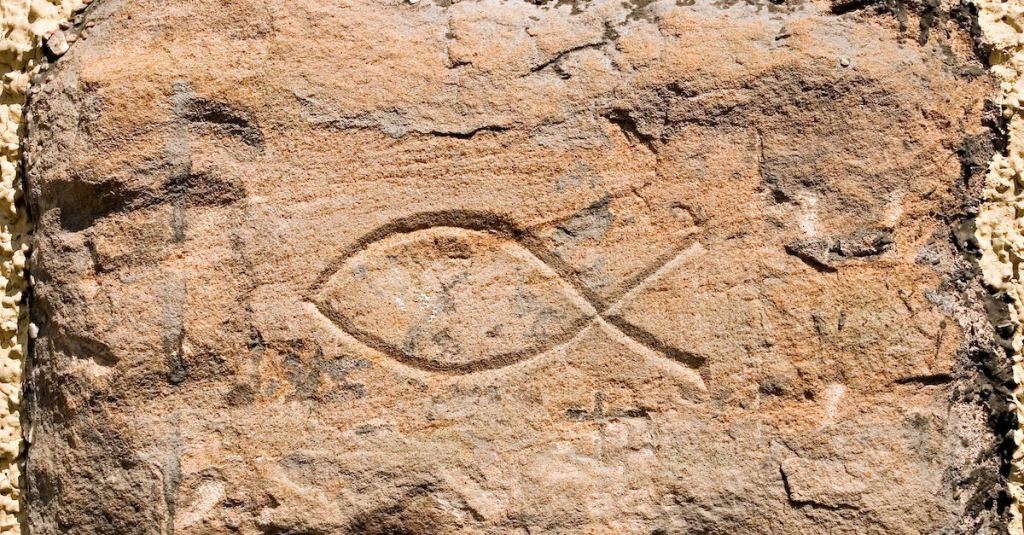
The Word of God is made up of the Old and New Testaments. Each of the four Gospels offers a unique perspective, with varying details, yet the story of Jesus remains consistent. They share who He is, what He accomplished, and what it means for humanity. The Bible speaks of God’s chosen people, Israel; Jesus as the Messiah, His death and resurrection, His victory over death, the arrival of the Holy Spirit, salvation, and the start of the Church Age.
Church Age Begins

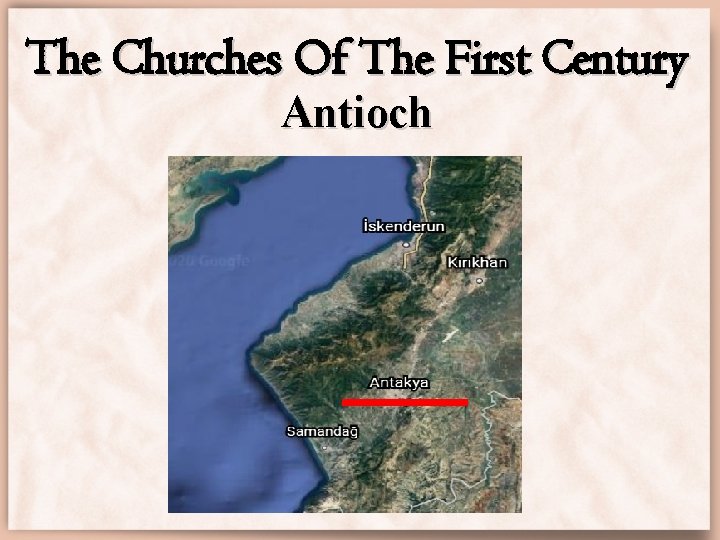
In first-century Judea, the population was a mix of traditional Jewish communities, Hellenistic Jews, Samaritans from the Assyrian captivity of 722 BC, and both Jewish and Hellenistic Christians living beyond Jerusalem. The Roman Empire still ruled the region, Greek was widely spoken, and safe roads made travel easy. It was the perfect backdrop for the coming of the Messiah and the start of the Church Age. After the Gospels (Matthew, Mark, Luke, and John), the Book of Acts begins with Pentecost, when the apostles received the Holy Spirit and set out to spread the Gospel, proclaim that “God the Father sent His only begotten Son into the world that whoever believes in Him shall not perish but have everlasting life” (John 3:16). But soon, disagreements and conflicts arose from the societal, political, and cultural challenges facing the early Church. The chief priests and Pharisees thought killing Jesus would silence talk of Him, yet they kept stirring trouble, even provoking a riot that led to Stephen’s stoning. This drove Hellenistic Christians to flee, spreading the Gospel to Phoenicia, Syria, and Cyprus (Acts 11:19), fulfilling “…all except the apostles were scattered throughout Judea and Samaria” (Acts 8:1). By then, two main churches had formed: one in Jerusalem, made up of Jews and led by Peter and James (Jesus’ brother), and another in Antioch, Syria, led by Paul and Barnabas. As the church expanded and needed structure, Jerusalem’s leaders appointed others to handle daily tasks so the apostles could focus on “…prayer and the ministry” (Acts 6:4). Later, Paul visited Jerusalem to report to Peter and James on the success of gentile conversions in Antioch. James noted that the Jewish Christians “…have believed, and all of them are zealous for the law”, sparking tension among the leaders as they wrestled with letting go of their Jewish traditions.
The Gospel message never changes, how it is presented will vary.
Kevin Vanhoozer
Biblical Context and Our Measuring Stick
The term “Canon”—from the Greek for “ruler” or “measuring stick”—refers to the authoritative books of the Old and New Testaments. When new teachings diverge from biblical doctrine, respected pastors, theologians, and believers are tasked with defending orthodoxy. Prior to arriving in Athens, Paul and Silas had preached in Thessalonica’s synagogue, converting many Jews and Greeks, though some opposed them violently. In Berea, they found an audience that eagerly investigated Paul’s message against Scripture (Acts 17:11).

Understanding biblical texts means paying attention to their historical and social settings to keep them relevant. How Scripture is interpreted and applied can vary across cultures, as seen in Acts when Paul spoke to Greek philosophers in Athens (Acts 17) compared to his sermon in Antioch, Syria (Acts 13). In Athens—a city full of idol worship—Paul adapted his message to connect with his audience, starting by recognizing their religiosity, “…in every way you are very religious,” Acts 17:22 and highlighting the “unknown god” from an inscription (Acts 17:23). This approach let him share a monotheistic message in a polytheistic world (Marculet).
Vanhoozer describes this as improvisation: not creating something new, but imaginatively and faithfully applying canonical truths to fresh cultural situations while remaining true to orthodox beliefs. Paul’s speech at the Areopagus exemplifies Marculet’s idea of inculturation, where the Gospel is adapted to fit the existing culture, “the Gospel has to be incarnated into a preexistent soil.”
Recently, evangelical Christians have distanced themselves from prosperity gospel and charismatic movements that focus on material success. This shift highlights the importance of systematic scriptural analysis known as Exegesis, which leads to accurate interpretation known as Hermeneutics. Critics argue charismatics sometimes quote passages such as John 14:12 out of context, suggesting believers will perform greater works than Jesus. The prosperity gospel’s promise of immediate blessings contradicts the teachings of Jesus and the early church, which emphasized spiritual growth through suffering as in Acts 14:22, “We must go through many hardships to enter the kingdom of God,” NIV. Paul, considered one of Christianity’s greatest figures, recognized this truth and regularly cautioned churches about false teachers entering their communities.

“Consider it pure joy, my brothers and sisters, whenever you face trials of many kinds, because you know that the testing of your faith produces perseverance. Let perseverance finish its work so that you may be mature and complete, not lacking anything” (James 1:2)
“For my name’s sake I defer my anger for the sake of my praise I restrain it for you, that I may not cut you off. Behold, I have refined you, but not as silver I have tried you in the furnace of affliction. For my own sake, for my own sake, I do it, for how should my name be profaned? My glory I will not give to another” (Isaiah 48:9-11)
“…so that the tested genuineness of your faith—more precious than gold that perishes though it is tested by fire—may be found to result in praise and glory and honor at the revelation of Jesus Christ” (1 Peter 1:7)
References
Marculet, S. (2013). Elements of Inculturation in Saint Paul’s speech from Areopagus. Revista Teologica, 23(3), 28–48. Retrieved from: https://search-ebscohost-com.lopes.idm.oclc.org/login.aspx?direct=true&db=a9h&AN=94518061&site=eds-live&scope=site
Church and State
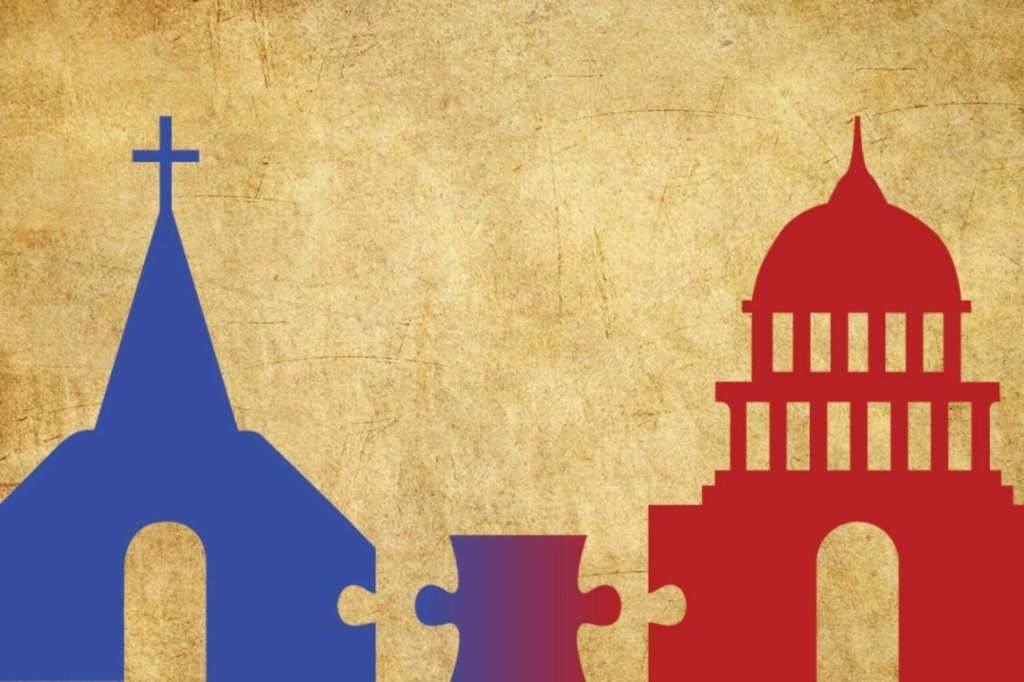
Church and state should remain separate, even though they’ll inevitably influence each other. By His amazing grace, God has given us the Bible—a timeless and powerful guide that offers wisdom for every situation. While matters like health or economics are important, the Bible doesn’t outline a specific economic system or medical rules. Instead, God provides what we need for salvation and to live out the Christian faith in any circumstance we face in the world.
Church and State are meant to be separate. Humility is central to living as a Christian, reflecting the light of Jesus by fostering relationships in a community without rigid hierarchies, which contrasts sharply with the world. The Church aims to transform people from within, where the heart is shaped by love and humility without forcing its beliefs or morals on a secular society. Secularism is seen as placing human reason over divine revelation as the basis for morality. In secular culture, people often embrace whatever “truth” they choose, prioritizing self-love and personal happiness. Then there’s Immanuel Kant’s view, a philosophy that attempted to reconcile religious belief and rational, secular thought. He embraced both perspectives, arguing that morality should be grounded in duty—doing good simply for its own sake—without placing emphasis on divine influence or personal growth as a human being. Jesus taught, “Render to Caesar the things that are Caesar’s, and to God the things that are God’s” (Matthew 22:21), showing that even rulers answer to God. Scripture repeatedly encourages being good, law-abiding citizens and praying for leaders (Matt 17:27; Titus 3:1). Apostle Paul in Romans 13 urges respect for governing authorities since all authority comes from God, and warning that resisting them means opposing God’s order. It’s worth noting that if a Christian feels they’re being asked to go against their Bible-based beliefs, there are ways to respectfully refuse. In short, a true believer cannot follow both God’s kingdom and the worldly kingdom.
Church Over State
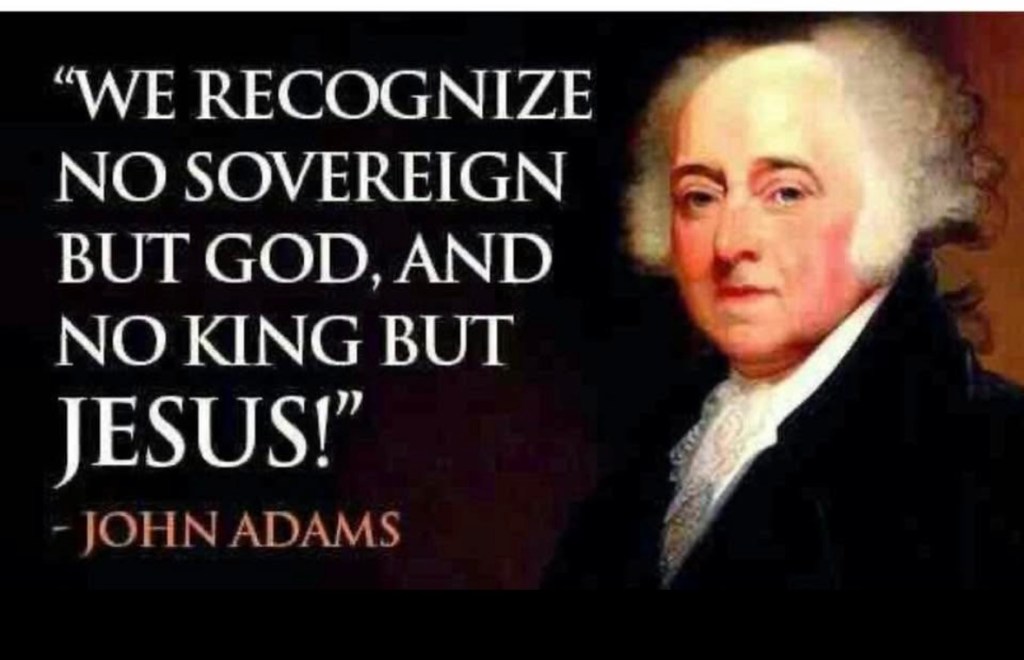
During Roman rule, Jesus steered clear of political protests, focusing instead on teaching trust in eternal values and promoting a peaceful life in an imperfect world. Protesting the government can create a mob mentality that leads to unrest, chaos, and riots which goes against God’s nature. To support the oppressed and mistreated, the Church has many ways to take action—both locally and globally—through voting, outreach, and legislative efforts to change civil laws. For example, voting is one of the simplest ways a Christian can influence culture. Christians aren’t meant to hide away or live in isolation from the world. They can make their voice heard by choosing leaders who uphold biblical values, while recognizing that everyone is imperfect. It is not wise for Christians to take part in disruptive or loud protests for any “offended group,” of which there are many in America today, such as Antifa, transgender, or MeToo movements.
There are often challenging situations in the world that are completely contrary to the Christian worldview. For example, a Christian doctor might be instructed to perform abortions and complies instead of refusing, acknowledging God as the ultimate giver of life in every circumstance. There are also situations where a teacher must go along with a school’s decision to allow transgender-themed books in the classroom or acknowledge a boy who identifies as a girl or risk losing their job. While there’s often some overlap between Church and State, a true follower of Christ aligns with the kingdom of God. God is the Creator, the Sustainer, and sovereign over all things.
God’s Way of Leading is Different from Any System on Earth
From the Church’s beginnings in the 1st century to the Reformation in the 16th century, Christians often found themselves in a state of uncertainty. Horton notes that Luther and Calvin in the 15th and 16th centuries sought to revive Augustine’s 4th–5th century concept of “two kingdoms”—heaven versus the world, or “love of God” versus “love of self.” To understand this idea of Church and State, it helps to look at Israel’s history as the only nation founded as a theocracy meant to serve as an example of God’s people to the world. In 1 Samuel 8, centuries later, Israel rejects God as King, demanding a human ruler like other nations. This was the moment Israel transitioned from being guided by a prophet, God’s messenger, to being ruled by a human leader who steered the nation away from truth and justice toward corruption and injustice.
History makes it clear that God’s way of governing is unlike any earthly system, as the world continues to stray, calling good evil and evil good (Isaiah 5:20). A merging of Church and State also occurred during Constantine’s reign (306–312 AD) when he legalized Christianity and made it the empire’s national religion. Christians went from being an oppressed minority to part of the establishment, living with dual citizenship. What may have begun with good intentions fell into sin marked by authoritarian control over others as the Roman Catholic Church misused its power expanding its reach and wealth through land acquisition becoming recognized as a leader of the world. Solomon said, “There is a way that appears to be right, but in the end it leads to death” (Proverbs 14:12).
Suffering

God has given people free will, yet nothing happens without His permission. Christians will inevitably face challenges from the secular world and may suffer for choosing to follow Him. These trials can bring uncertainty, indecision, depression, fear, injustice, and illness, ultimately helping them realize their need to depend on the Holy Spirit. True believers are called to be prepared to face consequences of hatred and hostility, as Scripture warns of suffering for the sake of God’s Word, “No student is above their Master” (Matt 10) as our Lord Jesus suffered the cross. You can’t belong to both the world’s kingdom and God’s; to follow Jesus, you must be part of the Kingdom of God; we are told to pick up our cross daily and follow Him (Matt 16). We see in Acts, Peter and John rejoice after being flogged by the Sanhedrin for preaching Christ, celebrating they were counted worthy to suffer disgrace for His Name (Acts 5:41). We see other examples of suffering, including all the Apostles, Elijah, David, Joseph, Jeremiah, Ezekiel, Mary, and of course Job. Job is a book about suffering, God allowed Satan to test Job: “…all that he has is in your hand. Only against him do not stretch out your hand” (Job 1:12). It can be hard to grasp God’s plan through our human limitations, but we’re called to trust Him. Jesus taught that following Him would bring suffering in a world that rejects truth—a reality increasingly visible in American society where some reshape biblical teaching to fit personal lifestyles. Jesus is the truth, and when He spoke to Pontius Pilate, “The reason I was born and came into the world is to testify to the truth, everyone on the side of truth listens to me,” and Pilate replied with sarcasm, “What is truth?” (John 18:37-38). That first-century exchange still rings true in the modern where truth comes from within, what I want it to be, treated as subjective—a view known as moral relativism (McQuilkin & Copan). In contrast, the Church teaches that truth comes from outside one’s self, knowing God’s Word, not human effort.
References:
Collinson, S. W., (2005). Making Disciples and the Christian Faith. Evangelical Review of Theology, 29(3), 240–250. Retrieved from https://lopes.idm.oclc.org/login?url=http://search.ebscohost.com/login.aspx?direct=true&db=a9h&AN=18750450&site=ehost-live&scope=site.
McGrath, A. (2012).Historical Theology: An Introduction to the History of Christian Thought.2nd edition. Retrieved from http://www.modernreformation.org/default.php?page=articledisplay&var2=750
McQuilkin, R., & Copan, P. (2014). An introduction to biblical ethics: Walking in the way of wisdom (3rd ed.). Downers Grove, IL: InterVarsity Press. ISBN-13: 9780830828180.
April 2025
SIN, THE “PRIVATION OF THE GOOD”
People often don’t recognize their own brokenness, which can lead to ongoing pain, loss, and destruction, because they don’t fully understand who God is, who they are, or how harmful sin really is. The Fall took away much of humanity’s grace but left an innate sense and basic understanding of right and wrong. Then comes that “aha” moment—a revelation—when a believer humbly realizes how unaware they’ve been all along. It’s like suddenly being given new eyes and ears.
A true believer cannot love God and the world (Matt 6), and will experience the following:
1. Battle between flesh (selfishness) and spirit (other-centered) as the flesh desires to have what it wants and what it wants is sinful pleasures all the time.
2. Heart and mind continually undergoes a process of transformation as they grow to become more Christ-like, “Do not be conformed to this world, but be transformed by the renewal of your mind, that by testing you may discern what is the will of God, what is good and acceptable and perfect” (Romans 12:2 ESV).
3. Hold a Christian worldview that sees the world differently than before; truly for what it is, dark, unjust, unfair, cruel, idolatrous, and deceiving with its ruler, Satan (enemy, devil, prince of this world).
4. Expect to be rejected by friends and family; Jesus was hated, expect the same (John 15:18).


In Romans 5, Paul teaches that humanity began “in Adam” but was later redeemed through the “second Adam,” Jesus Christ. Original sin separated people from God, but Jesus’ sacrifice on the cross closed that gap, making a relationship with God possible. Humanity’s brokenness wasn’t part of the original design—it came from losing something once possessed. Because God is love, holy, and completely unique, His nature produces only goodness. As Matthew says, “A good tree cannot bear bad fruit, and a bad tree cannot bear good fruit” (Matthew 7:18). God made Adam and Eve “good,” giving them some of His divine attributes. Out of love, He gave them freedom, which came with risk. That freedom led to their rebellion, plunging the world into brokenness and making the knowledge of good and evil real—what we call Original Sin. Tempted by the serpent in Genesis 3, they sought to be like God, “…when you eat from it your eyes will be opened, and you will be like God, knowing good and evil” (Genesis 3:4). The Old Testament shows humanity’s tendency toward sin, and Adam’s condition carried over to all his descendants. This disobedience set a pattern—from eating the forbidden fruit to Cain killing Abel, worshiping false gods, and ultimately crucifying the Messiah.
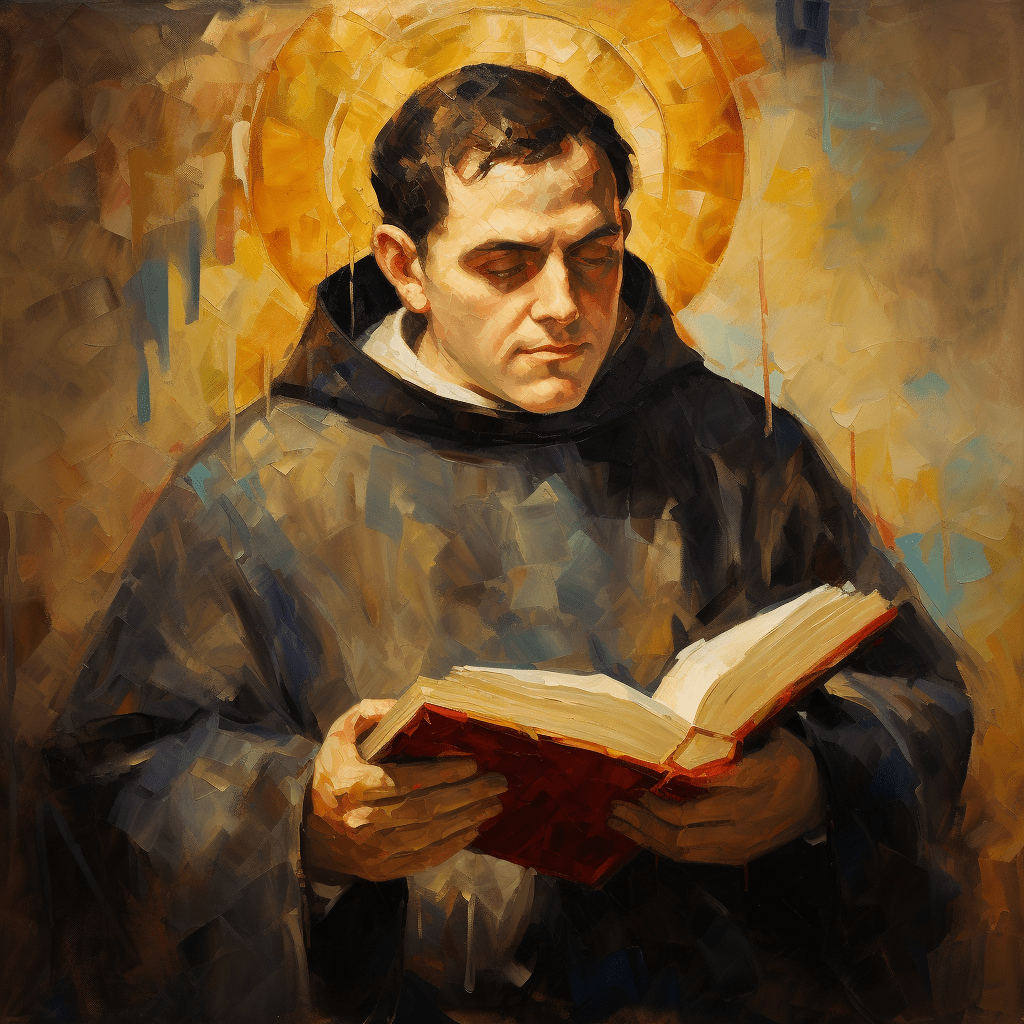
Sin can show up in all kinds of ways. Thomas Aquinas believed Adam and Eve had original justice until the events of Genesis 3. In his view, desire is a natural part of being human, as people long for their ultimate purpose, and this desire was meant to be guided by divine intellect—what he called original justice. Adam’s original justice meant he had righteousness and integrity, living in line with God’s laws. Original sin is simply the loss of that justice, which should have remained through Adam’s will but didn’t. Classical theology says sin comes from the lower part of human nature, showing self-centeredness instead of God-centeredness, and slavery instead of freedom. Kevin Vanhoozer, cited in Bird, urges evangelicals to rekindle their passion for biblical formation—a willingness to be shaped and transformed by the truth of the Gospel. Desire itself isn’t wrong until it’s tied to sin; as Romans 8 and Galatians 5 point out, people can live in obedience to God, resisting the flesh and sinful urges. Sin often starts as the devil’s thoughts slipping into our own, becoming powerful once they take root.
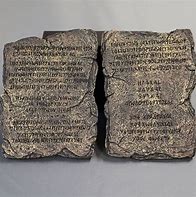
Our Hope
Through Jesus, God provides a way to restore creation to goodness and holiness, making a renewed relationship with Him possible. Both the Old and New Testaments show that humans were created to live in health. He “shared in their humanity so that by his death he might break the power of him who holds the power of death—that is, the devil—and free those who all their lives were held in slavery by their fear of death” (Hebrews 2:14-15). In Genesis 3, the serpent tempted Adam and Eve by appealing to the lower desires of the soul. The Gospel reveals how we can move from brokenness in mind, body, and soul toward wholeness and true humanity. This flaw in human nature brought physical, mental, and spiritual sickness, yet Jesus healed the suffering, the demon-possessed, the paralyzed, and even raised the dead. God is the Creator, as The Gospel of John tells us: “In the beginning was the Word, and the Word was with God, and the Word was God” (John 1:1). Through Jesus, “all things were made; without him nothing was made that has been made. In him was life, and that life was the light of all mankind” (John 1:3-4). Humanity’s journey from potential to fulfillment is only possible through God, who is “pure actual,” fully real and complete, with no need to become anything else. God is perfect and pure. Paul teaches that through Adam, sin entered the world (Romans 5:12), and while our fallen nature shapes human behavior, we remain intentional beings who look beyond ourselves. The Gospel is the good news of Jesus Christ, offering salvation by God’s grace through the power of the Holy Spirit. Because of Adam and Eve’s sin, all people are born sinners: “The Lord saw how great the wickedness of humanity had become on the earth, and that every inclination of the human heart was only evil all the time” (Genesis 6:5). Humanity moves from recognizing sin through God’s Law in Exodus and Deuteronomy to gaining a deeper understanding of our purpose.
References:
Berkhof, L.. Man in the State of Sin in Part Two: The Doctrine of Man in Relation to God. Systematic Theology. Retrieved by: https://www.monergism.com/thethreshold/sdg/berkhof/systematic_theology.htmlBird, M. F., (2013). Evangelical Theology: A Biblical and Systematic Introduction. Grand Rapids, MI: William B. Eerdmans Publishing. Retrieved from: http://www.gcumedia.com/digital-resources/harpercollins/2013/evangelical-theology_a-biblical-and-systematic-introduction_ebook_1e.php
Highfield, R. (2008). Great is the Lord: Theology for the praise of God. Grand Rapids, MI: William B. Eerdmans Publishing. Retrieved from: https://lc-ugrad3.gcu.edu/learningPlatform/externalLinks/externalLinks.html?operation=redirectToExternalLink&externalLink=http%3A%2F%2Fgcumedia.com%2Fdigital-resources%2Fwm-b-eerdmans-publishing-co%2F2008%2Fgreat-is-the-lord_theology-for-the-praise-of-god_ebook_1e.php
Houck, D. W. (2016). Natura Humana Relieta est Christo: Thomas Aquinas on the Effects of Original Sin. Archa Verbi, (13), 68-102. Retrieved from: https://lopes.idm.oclc.org/login?url=http://search.ebscohost.com/login.aspx?direct=true&db=a9h&AN=123947781&site=eds-live&scope=site
Hybels, B., Mittelberg, M. (1994). Becoming a contagious Christian. Grand Rapids, MI: Zondervan. ISBN-13: 9780310210085. Retrieved from http://gcumedia.com/digital-resources/harpercollins/1996/becoming-a-contagious-christian_ebook_1e.php
Novello, H. L. (2009). Lack of Personal, Social and Cosmic Integration: Original Sin from an Eschatological Perspective. Pacifica, 22(2), 171-197. Retrieved from: https://lopes.idm.oclc.org/login?url=http://search.ebscohost.com/login.aspx?direct=true&db=a9h&AN=58618677&site=eds-live&scope=site
Stillwaggon, J. (2014). The Problem of Propagation: Original Sin as Inherited Discourse. Studies In Philosophy & Education, 33(1), 61-73. doi:10.1007/s11217-013-9362-7. Retrieved from: https://lopes.idm.oclc.org/login?url=http://search.ebscohost.com/login.aspx?direct=true&db=a9h&AN=93447361&site=eds-live&scope=site c
*******
Christianity differs from Catholicism, as the latter is based on both faith and works while Christianity holds to salvation through faith alone. The Roman Catholic Church presents a gospel that blends elements of paganism with aspects of Jesus’ teachings. Key points of concern include doctrines related to the Catholic Bible (Vulgate), praying the rosary, the roles of priests and popes, repentance, Virgin Mary, Eucharist, purgatory, and indulgences. Many believe this points to what Matthew 7:15-20 warns regarding to be wary of false prophets and false teachings.
*******
The Catholic Church emerged in the 3rd–4th centuries, breaking away from the Apostolic Church of the first century. The earliest church began in Jerusalem, led by Apostle Peter and James, the half-brother of Jesus. The second church, composed of gentiles and the first to call themselves Christians, was founded by Apostle Paul and Barnabas.
The Bible
Knowing God’s Word is the best way to spot false teachings. Those who have direct access to the Scriptures are less likely to fall for false teachers, the “wolves in sheep’s clothing” (Matthew 7:15-20). The Bible warns us that “…false Christs and false prophets will arise and perform great signs and wonders to deceive, if possible, even the elect” (Matthew 24:24). It is in 476AD that popes and bishops/archbishops were among the few who could read and write, gaining power, influence, and prominence over emperors until the Catholic Church became both church and state.
The Apostle John warns, “Dear friends, don’t believe every spirit. Instead, test them to see if they are from God, because many false prophets have gone out into the world. You can recognize the Spirit of God by this: every spirit that admits Jesus Christ came in the flesh is from God, but any spirit that doesn’t acknowledge Jesus is not from God. That is the spirit of the Antichrist, which you’ve heard is coming and is already in the world” (1 John 4:1-3).
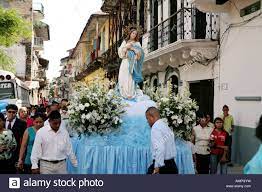
By the 1500s, Pope Pius IX declared that “The most Blessed Virgin Mary, in the first instant of her conception, by a singular grace and privilege granted by Almighty God,” was without sin, calling her the “repairer of the lost world,” sharing in glory Jesus, and even stating that “she crushed the head of the serpent.” In 1944, Pope Pius XII introduced the feasts dedicated to the ‘Immaculate Heart.’
The Vulgate and Those That Pointed Out False Interpretations of The Virgin Mary
The Vulgate is the Catholic version of the Bible. Before its creation, biblical manuscripts were widely known in Hebrew, Greek, and Aramaic. Jerome (347–420 AD) took it upon himself to translate the Scriptures from these common languages into Latin, a language no longer spoken. Despite opposition from his peers, he persisted and became associated with promoting the veneration of Mary as the “mother of God.” This sparked controversy, as some argued God could not have a mother. For instance, under orders from Pope Celestine and Pope Cyril, Archbishop Nestorius of Antioch and Constantinople (380–450 AD) was condemned and executed for rejecting such titles for Mary. She was given the title “Queen of Heaven”, a name previously used for idols of goddesses worshiped by ancient peoples in Jeremiah 44:7. Other titles included the Latin “mater Dei” and “genitrix Dei,” as well as the Greek Orthodox “theotokos,” all meaning “mother of God” or “blessed mother.” In the late Middle Ages, debates over this and other disputed teachings—like purgatory, indulgences, the mass, eucharist, idol worship, and the titles of priest, pope, and father—resurfaced, leading figures such as Desiderius Erasmus and Martin Luther in the 15th and 16th centuries to challenge the Roman Catholic Church, helping to ignite the Reformation.
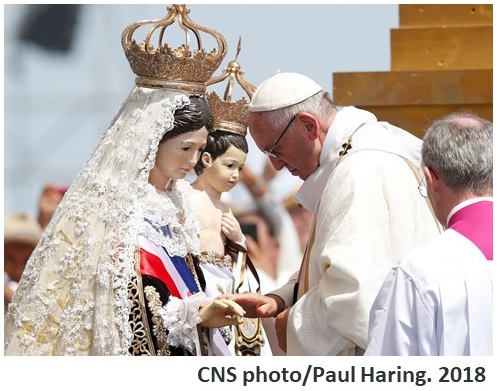
The Humanness of Mary
Also, the humanness of the Virgin Mary is clear throughout Scripture, recognizing her need for a Savior, declared, “My soul magnifies the Lord, and my spirit rejoices in God my Savior, for he has looked on the humble estate of his servant. From now on all generations will call me blessed; for he who is mighty has done great things for me, and holy is his name” (Luke 1:46-49). As Romans 3:23 says, “For there is no distinction: for all have sinned and fall short of the glory of God.”
Scripture clearly tells us Jesus had siblings, including James and Jude who wrote books in the New Testament. In Matthew, we get another glimpse into Jesus’ family: “Where did this man get this wisdom and these mighty works? Is not this the carpenter’s son? Is not his mother called Mary? And are not his brothers James, Joseph, Simon, and Judas? And are not all his sisters with us? Where then did this man get all these things? They took offense at him, but Jesus said, A prophet is not without honor except in his hometown and in his own household. Because of their unbelief, He did not do many mighty works there” (Matthew 13:54-58). There is also a moment in which Jesus addressed his mother at the wedding in Cana: “Woman, why do you involve me? My hour has not yet come” (John 2:4). Another time, when told his mother and brothers were outside wanting to speak to him, he responded, “Who is my mother, and who are my brothers?” Pointing to his disciples, he said, “Here are my mother and my brothers. For whoever does the will of my Father in heaven is my brother and sister and mother” (Matthew 12:47-50).
“Surely there is not a righteous man on earth who does good and never sins.” (Ecclesiastes 7:20)
*******
Original Grace
The Catholic Church holds a unique perspective on Mary, attributing to her a special grace known as Original Grace, similar to the grace possessed by Adam and Eve before the Fall. After Jesus’ resurrection, believers receive grace through the Holy Spirit, but this grace differs from Original Grace since we continue to grapple with our sinful human nature until we leave earth. Our restoration to the image of God will only be complete in Heaven. However, the Catholic Church exempts Mary from this, believing she is without sin. This Catholic interpretation comes from Luke 1:28, from Greek to Latin in the Vulgate translation, and is inconsistent with the whole of Scripture. In the original Greek, when the Angel Gabriel tells Mary she will conceive a son, the phrase is rendered as “greetings favored one,” “you are highly favored,” “greetings favored woman,” or “you are truly blessed.” Jerome, translating into Latin, took the Greek word *kecharitomene*, meaning “one who has been given favor,” and rendered it as “gratia plena,” or “hail one that is full of grace.” A more accurate Latin translation would have been simply “gratia,” referring to favor or grace, rather than “full of grace,” which implies sinlessness. Only Jesus is without sin: “…and the blood of Jesus his Son cleanses us from all sin. If we say we have no sin, we deceive ourselves, and the truth is not in us” (1 John 1:7-8).
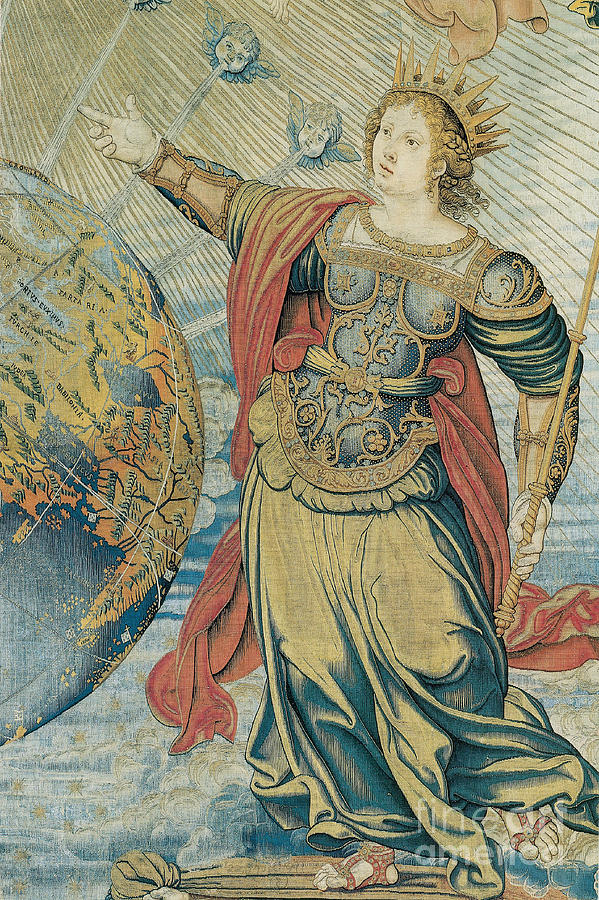
Mythical Pagan Goddess Worship
In ancient times, superstition was rampant. From the days of King Nimrod of Babylon and the Tower of Babel to the Canaanites, Egyptians, Greeks, and Romans, idol worship was prevalent. The Israelites frequently turned away from their one true God, Yahweh, to worship the false gods and goddesses of their neighbors. King Solomon, known for his wisdom and wealth was entrusted with building the First Temple under divine guidance, eventually allowed his foreign wives to lead him astray into idol worship. The prophet Jeremiah records about a time filled with idol worship and sacrifices: “The children gather wood, the fathers light the fire, and the women knead the dough and make cakes to offer to the Queen of Heaven [Ishtar]. They pour out drink offerings to other gods to arouse my anger” (Jeremiah 7:18); and “But ever since we stopped burning incense to the Queen of Heaven and pouring out drink offerings to her, we have had nothing and have been perishing by sword and famine” (Jeremiah 22:18).
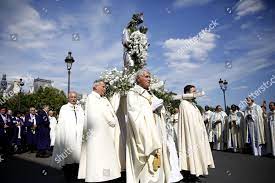
In ancient times, goddess worship flourished across various cultures. Egypt revered Isis, Babylon honored Ishtar, Greece celebrated Aphrodite, and Rome worshiped Diana. The Catholic Church may not have specific types of rituals, but celebrations like parades and festivals with costumes and pageantry honoring the Lady of Fatima, Lady of Guadalupe, and Lady of Pontmain can be seen as forms of goddess worship that God rejects. Corruption from Satan can come from within the church, and popes and bishops are not much different from the Sadducees and Pharisees of the first century. Jesus told the religious leaders then, “You belong to your father, the devil, and you want to carry out your father’s desires. He was a murderer from the beginning, not holding to the truth, for there is no truth in him. When he lies, he speaks his native language, for he is a liar and the father of lies” (John 8:44).
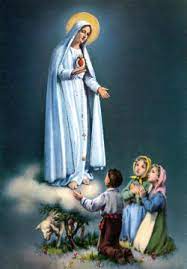
The Mary apparitions are often seen as an example of Satan presenting himself as an angel of light: “For such men are false apostles, deceitful workers, masquerading as apostles of Christ. And no wonder, for even Satan disguises himself as an angel of light. So it’s no surprise if his servants also disguise themselves as servants of righteousness…” (2 Corinthians 11:14-15).
Mary Apparition: Lucia, who experienced an apparition in Portugal, made requests for sick individuals. Mary responded that she would heal some but not others, and emphasized that everyone should pray the rosary to receive such blessings. She then added, “Sacrifice yourselves for sinners, and say often, especially when making a sacrifice: O Jesus, it is for love of You, for the conversion of sinners, and in reparation for the sins committed against the Immaculate Heart of Mary” (theotokos.org.uk).
The apparition’s phrase “to obtain such graces” echoes the Catholic concept of good works, but this idea isn’t supported by Scripture. Salvation is attained solely through faith in Jesus; our actions can’t earn God’s grace. Additionally, the statement about sins against the immaculate heart of Mary is incorrect, as sins are committed against God alone. These apparitions are demon driven and heretical placing Mary on the same level—or even above—Father, Jesus and the Holy Spirit; “…false prophets also arose among the people, just as there will be false teachers among you, who will secretly bring in destructive heresies, even denying the Master who bought them, bringing upon themselves swift destruction” (2 Peter 2:1). Church leaders have greater responsibilities and with it comes greater expectations, rewards, and punishments.
*******
More False Teachings of the Roman Catholic Church
Rosary
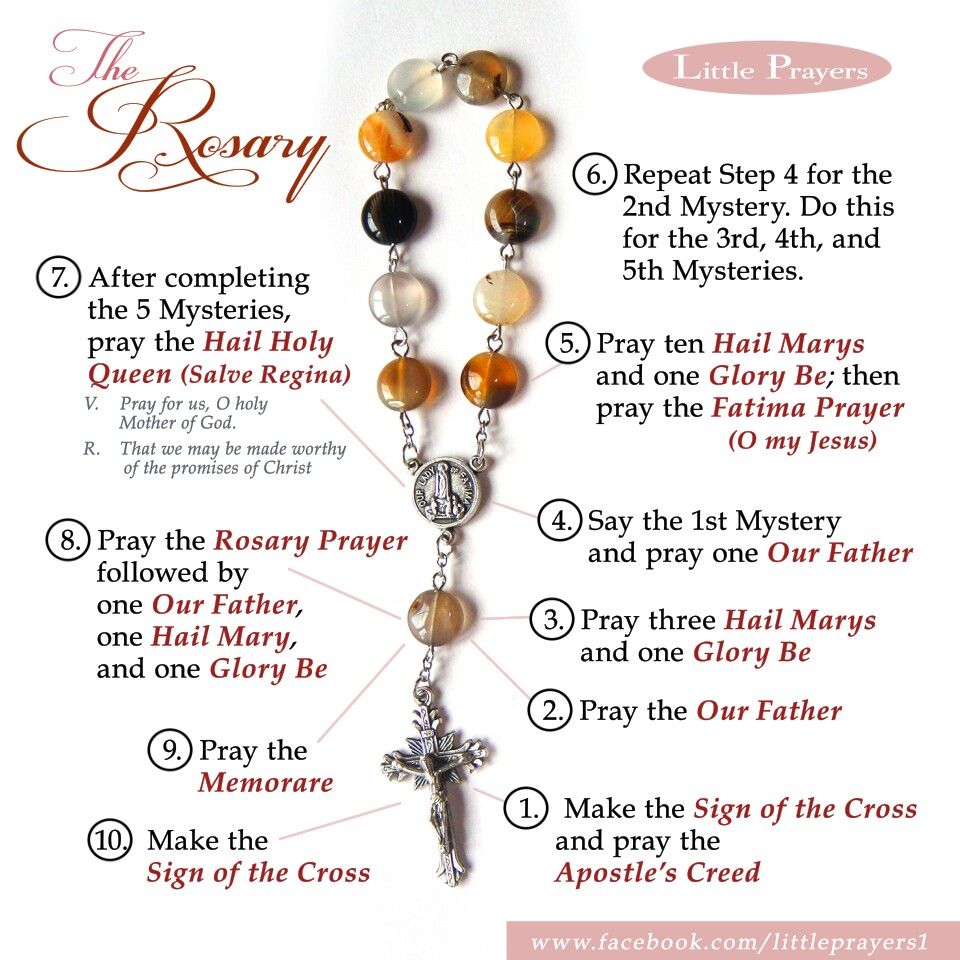
The rosary has many legendary tales, leading to the creation of another idol, the rosary beads, used for praying to Mary during the Middle Ages on the battlefield. Consider the method of prayer—does it mention Jesus Christ? Even if it did, it would still be an abomination. Then there’s the issue of repetitive chants, which are viewed as unbiblical and blasphemous, such as when a priest instructs someone to repent by saying ten Hail Marys. In the 1500s, Pope Pius V called for praying the Rosary during the Battle of Lepanto, which led to the title “Our Lady of the Rosary.” Scripture warns, “use not vain repetitions, as the heathen do: for they think they shall be heard for their much speaking” (Matthew 6:7). Jesus also says, “But when you pray, go into your room and shut the door and pray to your Father who is in secret…” (Matthew 6:6), not to seek out a priest or church leader to confess.
Celibacy
Celibacy is a tradition of the Catholic Church without direct biblical basis. The requirement for clergy to remain unmarried started in the 11th century during the reigns of Pope Benedict VIII and Pope Gregory VII. The main reason for this rule was to prevent the Church from having obligations toward the families of deceased clergy (MacArthur, 2015).
Purgatory and Indulgences
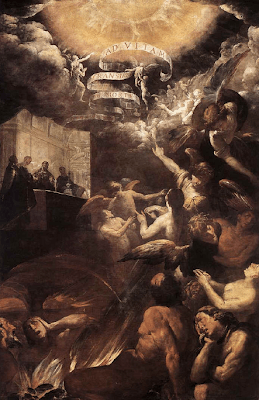
The Roman Catholic Church began teaching the idea of purgatory centuries before officially making it doctrine in the 12th century. If purgatory were real it would mean the sacrifice of Jesus Christ, our Lord and Savior, was in vain and did not truly save humanity from sin. To make matters worse, indulgences—created by the Church—gained popularity in the 11th century, when crusaders defended the Church from enemy attacks; for a price, people believed they could be cleansed of their sins. Centuries later, the Catholic Church would be responsible for those that were martyred for opposing the doctrines of purgatory and indulgences, including Desiderius Erasmus and the German monk Martin Luther.
Martin Luther claimed purgatory was “vainly invented.” It became increasingly clear that purgatory was a false teaching, as there is no pit stop or waiting room before judgment and entering heaven—it’s completely false. The Catholic Church created this idea that a person could somehow apply merit to loved ones to help them finish their journey to heaven. Believers can indeed pray for the salvation of others and share the Gospel—the Good News that God came to earth, lived, died, and rose from the dead so that those who believe in Him may have eternal life. This is the commission given to all who believe in Jesus, and it must be carried out while on earth.
How did the Catholic Church develop the doctrine of purgatory? Let’s start with Scripture that mentions Hades (Greek) and Sheol (Hebrew) as the “realm of the dead,” which is distinct from the final place of eternal torment called the “lake of fire” (Revelation 20, 21). In 1 Peter, we read that Jesus “went and proclaimed to the spirits in prison because they formerly did not obey, when God’s patience waited in the days of Noah, while the ark was being prepared, in which a few, that is, eight persons, were brought safely through water” (1 Peter 3:19-20). Paul writes in Ephesians, “What does ‘he ascended’ mean except that he also descended to the lower, earthly regions?” (Ephesians 4:9). Luke 16 recounts the parable of Lazarus and the rich man, where Jesus describes Hades/Sheol as divided into two sections separated by a chasm—one called Abraham’s bosom and the other a place of torment (not the lake of fire). Many theologians interpret these depictions as describing the place Jesus went during the three days between His death on Friday and His resurrection on Sunday. During this time, Jesus did not go to hell but to Abraham’s bosom, also called “Paradise.” He told the thief on the cross, “Truly I tell you, today you will be with me in Paradise” (Luke 23:43). As with 1 Peter, some interpret this to mean that after conquering death on the cross, Jesus appeared before fallen angels, the wicked, and unbelievers, while also freeing the Old Testament saints. The idea here is that those saved in the Old Testament had to wait until the resurrection before entering Heaven, as there was no way for them to do so beforehand.
An interesting point about Luke 14 is that the rich man asks for Lazarus to return to his family to warn them (v.27). Abraham replies, “They have Moses and the Prophets; let them listen to them.” At that time, the resurrection had not yet occurred, and the only reference was the Old Testament—the Torah, containing Moses and the Prophets. The rich man insists that if someone from the dead warned them, they would change, but Abraham responds, “If they do not listen to Moses and the Prophets, they will not be convinced even if someone rises from the dead.” This can be understood both literally and symbolically, emphasizing that once someone has died, there is no second chance. The New Testament teaches that believers go directly into the presence of Jesus after death, as in 2 Corinthians 5: “Yes, we are of good courage, and we would rather be away from the body and at home with the Lord.” In short, pray for loved ones while they are still living on earth.
Repentance and Eucharist
God knows our hearts better than we know them ourselves. The Holy Spirit moves the believer’s soul, making it hard to escape a contrite and remorseful heart. The only priest the believer repents to is our Lord Jesus, and through the power of the Holy Spirit they can turn away from sin. The Catholic Vulgate, however, uses the phrase “do penance” in Matthew 4:17: “Then Jesus began to preach and say: ‘Do penance, for the kingdom of heaven has drawn near,’” though the accurate translation is “repent, for the kingdom…” . Today, Catholicism still uses the terms ‘confession’ and ‘penance’, both of which involve acknowledging one’s sins. Penance, however, can also involve some form of self-punishment. In contrast, repentance involves approaching God with sincere sorrow and remorse, seeking forgiveness, and turning away from sin, as emphasized throughout Scripture.
Catholicism uses The Pope has been called “father,” despite Jesus’ words in Matthew 23:9: “And don’t address anyone here on earth as ‘Father,’ for only God in heaven is your Father.” Jesus is our only Priest for the repentance of sins. The role of priesthood began in the Levitical system, when God instructed the Jewish High Priest to make atonement once a year for the entire nation of Israel in the Holy of Holies (Leviticus 16; Hebrews 9), this is a foreshadow of what was to come through our Messiah. It is recorded in the Gospels how we gain direct access to Jesus as our one and only Priest the moment Temple veil is torn from top to bottom.
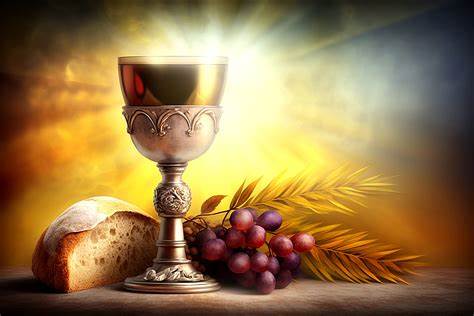
The Eucharist ceremony, known as the Mass, involves the belief in Transubstantiation. Unlike some Christian traditions that view it as a symbolic commemoration of the Last Supper, Catholics believe it is a true sacrifice, with the wine becoming the blood of Christ and the bread becoming His flesh. This is seen not as a repeated sacrifice, but as a participation in the one sacrifice of Jesus. Catechism #1367 explains that in the Mass, the same Christ who offered Himself once on the cross is present and offered in an unbloody manner. Catechism #1370 states that both the faithful on earth and the saints in heaven join in this offering, in communion with the Blessed Virgin Mary. Catechism #1368 adds that the Church, as the Body of Christ, participates fully in His offering and intercession with the Father. Transubstantiation is understood as entering into the once-for-all sacrifice of Jesus.
Catholicism has drifted from its Jewish and early Christian roots, yet the true Word of God endures. The Bible, known as the “Canon” from the Greek word for “rule,” serves as the standard of faith. It is made up of consistent, divinely inspired writings by about 40 authors from three different continents. The process of canonization involved questions like: Was it written by a prophet? Were the author’s miracles authenticating his message? Does it tell the truth about God without contradictions? Does it have the power to transform lives? Was it accepted as God’s Word by its original audience (McGrath, 2012)? The Word of God remains as relevant today as it was over 2,000 years ago, with the Old Testament established centuries earlier. Jesus often quoted the Septuagint, the Greek translation of Hebrew Scripture, in His teachings and debates with the Pharisees. The New Testament writings were created, shared, and accepted long before the Vulgate, with church councils like Nicaea and Constantinople reaffirming the 26 books included. These texts were always intended for people in a language they understood, which is why Jerome’s Latin translation faced criticism. In Matthew 23, Jesus warns religious leaders against arrogance and self-glorification: “Call no man your father on earth, for you have one Father, who is in heaven. Neither be called instructors, for you have one instructor, the Christ” (Matt. 23:9-10 ESV). In Titus 1:6, the Greek word “presbyter” means elder or minister, but titles like bishop, pope, and priest eventually became part of the Roman Catholic Church.
*******
“For the wages of sin is death, but the free gift of God is eternal life in Christ Jesus our Lord” (Romans 6:23 ESV)
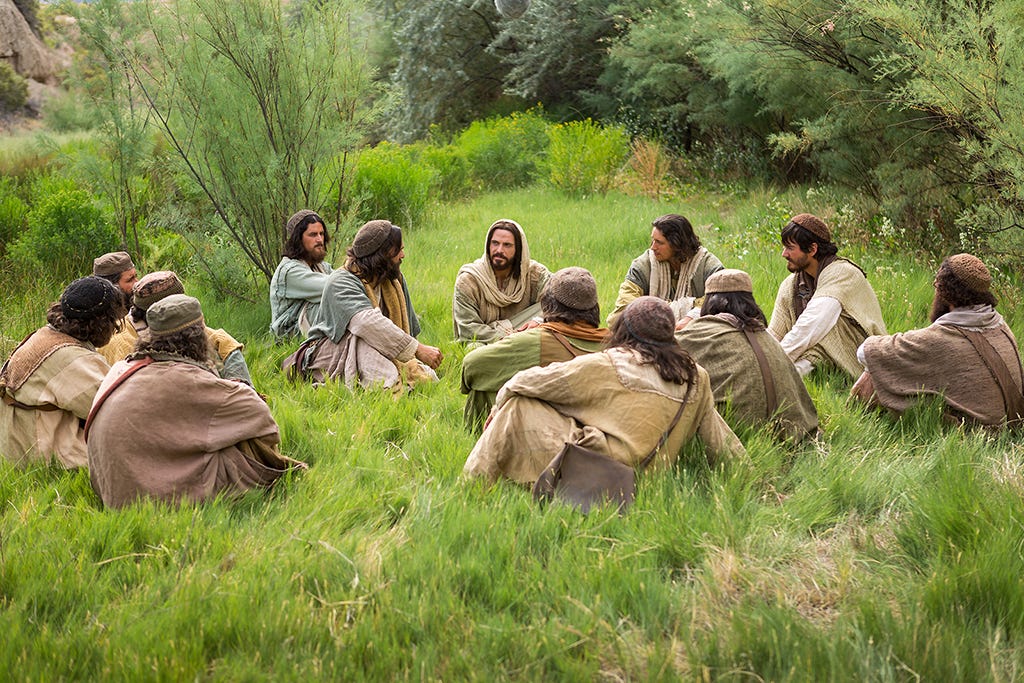
Jesus gave the Great Commission to the 12 Apostles, saying, “All authority in heaven and on earth has been given to me. Therefore, go and make disciples of all nations, baptizing them in the name of the Father, the Son, and the Holy Spirit, and teaching them to obey everything I have commanded you. And surely I am with you always, to the very end of the age” (Matthew 28:18-20 NIV). After Jesus ascended to heaven, the church began, along with Satan’s attempts to imitate God and disrupt His plan. The Apostle Paul often confronted false teachings that slipped into the early church: Corinth faced immorality, Colossae had mystics, Ephesus dealt with false teachers, Thessalonica had end-times fanatics, and Philippi had complainers (Muehlhoff, T., & Lewis, T. V., 2010). The Bible remains invaluable, as knowing His Word protects us from being deceived by false doctrines.
References:
CNS photo/Paul Haring. 2018. Retrieved from https://www.americamagazine.org/faith/2018/03/03/pope-francis-establishes-universal-feast-day-blessed-virgin-mary-mother-church
MacArthur, J. (2015). Exposing the Idolatry of Mary Worship parts 1-4. YouTube. Retrieved from https://youtu.be/RbDn_KU7BqU
McGrath, A. (2012). Historical Theology: An Introduction to the History of Christian Thought.2nd edition. Retrieved from http://www.modernreformation.org/default.php?page=articledisplay&var2=750
Muehlhoff, T., & Lewis, T. V. (2010). Authentic communication: Christian speech engaging culture. Downers Grove, IL: InterVarsity Press. Retrieved by: http://gcumedia.com/digital-resources/intervarsity-press/2010/authentic-communication_christian-speech-engaging-culture_ebook_1e.php
Theotokos Catholic Book. Words spoken by Mary at Fatima. Retrieved from http://www.theotokos.org.uk/pages/approved/words/wordfati.ht
Why having a code is helpful for spiritual leaders and those who serve as our examples
A code of conduct is essential for spiritual leaders. Learning from the examples of church leaders in Scripture provides guidance and wisdom. All believers are called to practice spiritual disciplines such as meditation, prayer, fasting, study, solitude, service, worship, and seeking guidance. These practical guidelines are vital for Christians because they help cultivate a life that reflects purity, honors God, and avoids the snares and traps of the enemy.
A life of constant prayer strengthens this gratitude, for “the effective, fervent prayer of a righteous man avails much” (James 5:16). God also honors diligence: “Always give yourselves fully to the work of the Lord, because you know that your labor in the Lord is not in vain” (1 Corinthians 15:58). Unity and a team‑centered spirit are essential qualities for building strong workers who will help gather the harvest and resist the enemy’s attempts to create division among believers. As Scripture reminds us, “A leader seeks to honor others above themselves” (Romans 12:10). We demonstrate our love by living in a way that puts others first, showing the same love to all. God models this love for us perfectly: while we were still sinners, Christ died for us (Romans 5:8).
Scripture provides many models of godly leadership, with Jesus as the perfect example. His servant-hearted character—marked by love, mercy, and humility—shows leaders how to give their lives in service to others. He demonstrated selflessness, resisted self-serving ambitions, and lived with purpose for the Kingdom of God. As James 4:10 teaches, “Humble yourself before the Lord and He will lift you up.” Philippians 2:3–4 also reminds believers to act without selfish ambition, valuing others above themselves and looking to the interests of others.
A grateful heart is the mark of a leader who lives in continual thanksgiving to God—thankful for His love, His provision, and the privilege of pursuing His purpose for one’s life. Scripture teaches us to “give thanks unto God in all circumstances, for this is God’s will for you in Christ Jesus” (Psalm 136).
A joyful and hope‑filled attitude reflects the life of Christ, for “a cheerful heart is good medicine, but a crushed spirit dries up the bones” (Proverbs 17:22). The example set by any spiritual leader is contagious; the posture of your heart will influence those around you—for better or for worse.
Be a generous giver—offering your time, resources, and God‑given talents—to advance the work of the Gospel in your own life and in the lives of others, always under the guidance of the Holy Spirit. Faith is not only something we believe; it is something we practice. True faith moves us to act with love, compassion, generosity, and spiritual courage.
Jesus calls His followers to “pick up your cross daily,” teaching that true greatness is found in laying down one’s own pleasures and personal ambitions for the sake of Christ. As Matthew 10:39 states, “Whoever finds their life will lose it, and whoever loses their life for my sake will find it.”
We are saved by faith alone, yet authentic faith produces visible fruit. People watch how believers respond when life brings hardship. Faith in action means choosing to trust God publicly, speaking life into situations that look impossible, and demonstrating hope where others see none. It means living in such a way that your reactions, words, and decisions point others to the goodness and sovereignty of God.
This is the kind of faith demonstrated in Luke 7:1–10, where trust in Jesus brought healing beyond human ability. Faith acts. Faith steps forward. Faith speaks. Faith obeys. May we all be able to say with confidence,“I have fought the good fight, I have finished the race, I have kept the faith.” 2 Timothy 4:7
 FAITH in JESUS CHRIST ALONE - Jesus Forum