ORIGINAL SIN

April 2025


People often don’t recognize their own brokenness, which can lead to ongoing pain, loss, and destruction, because they don’t fully understand who God is, who they are, or how harmful sin really is. The Fall took away much of humanity’s grace but left an innate sense and basic understanding of right and wrong. Then comes that “aha” moment—a revelation—when a believer humbly realizes how unaware they’ve been all along. It’s like suddenly being given new eyes and ears.

In Romans 5, Paul teaches that humanity began “in Adam” but was later redeemed through the “second Adam,” Jesus Christ. Original sin separated people from God, but Jesus’ sacrifice on the cross closed that gap, making a relationship with God possible. Humanity’s brokenness wasn’t part of the original design—it came from losing something once within reach. Because God is love, holy, and completely unique, His nature produces only goodness (Bird). As Matthew says, “A good tree cannot bear bad fruit, and a bad tree cannot bear good fruit” (Matthew 7:18 NIV). God made Adam and Eve “good,” giving them some of His divine attributes (Bird). Out of love, He gave them freedom, which came with risk. That freedom led to their rebellion, plunging the world into brokenness and making the knowledge of good and evil real—what we call Original Sin (Highfield). Tempted by the serpent in Genesis 3, they sought to be like God, “…when you eat from it your eyes will be opened, and you will be like God, knowing good and evil” (Genesis 3:4 NIV). The Old Testament shows humanity’s tendency toward sin, and as Bird notes, Adam’s condition carried over to all his descendants (Bird, 2013, p. 681). This disobedience set a pattern—from eating the forbidden fruit to Cain killing Abel, worshipping false gods, and ultimately crucifying the Messiah.
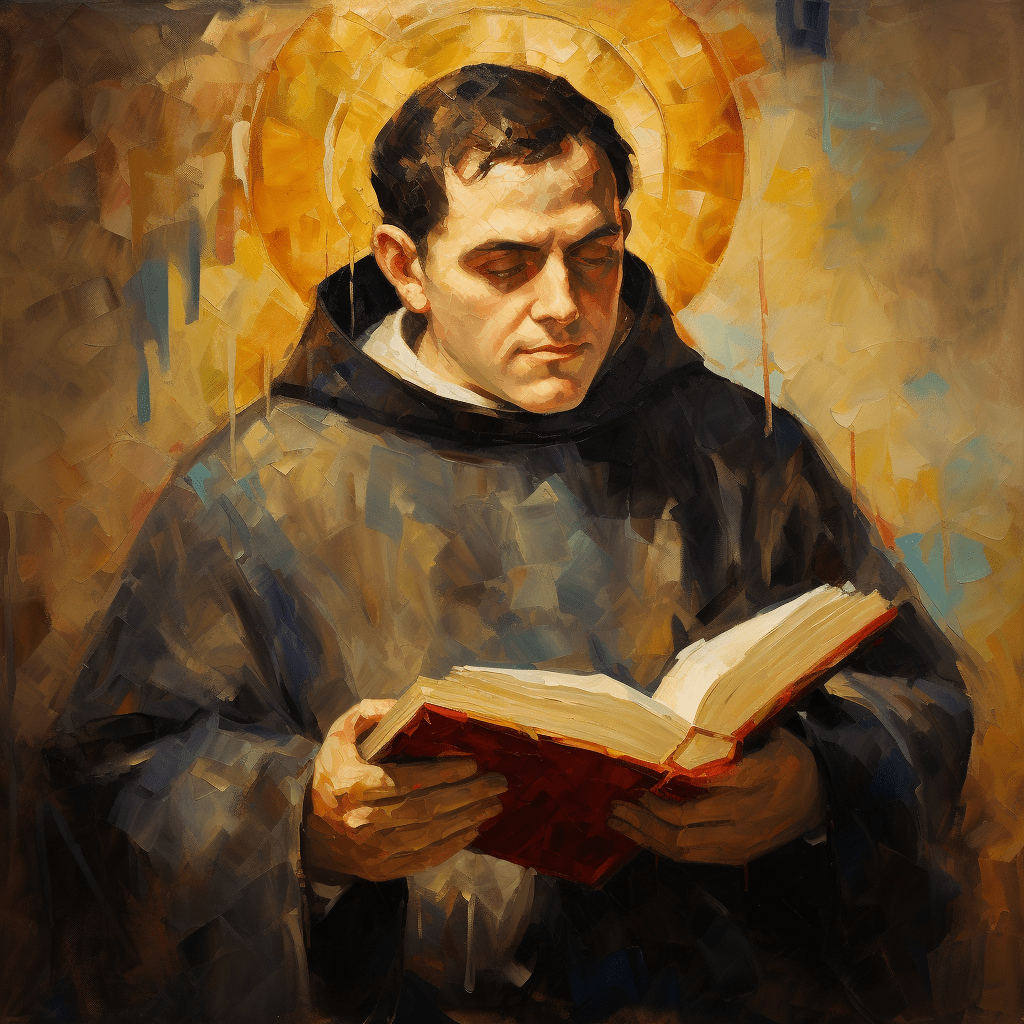
Sin can show up in all kinds of ways. Thomas Aquinas believed Adam and Eve had original justice until the events of Genesis 3. In his view, desire is a natural part of being human, as people long for their ultimate purpose, and this desire was meant to be guided by divine intellect—what he called original justice. Adam’s original justice meant he had righteousness and integrity, living in line with God’s laws. Original sin is simply the loss of that justice, which should have remained through Adam’s will but didn’t. Classical theology says sin comes from the lower part of human nature, showing self-centeredness instead of God-centeredness, and slavery instead of freedom. Kevin Vanhoozer, cited in Bird, urges evangelicals to rekindle their passion for biblical formation—a willingness to be shaped and transformed by the truth of the Gospel. Desire itself isn’t wrong until it’s tied to sin; as Romans 8 and Galatians 5 point out, people can live in obedience to God, resisting the flesh and sinful urges. Sin often starts as the devil’s thoughts slipping into our own, becoming powerful once they take root.
Through Jesus, God provides a way to restore creation to goodness and holiness, making a renewed relationship with Him possible. Both the Old and New Testaments show that humans were created to live in health. He “shared in their humanity so that by his death he might break the power of him who holds the power of death—that is, the devil—and free those who all their lives were held in slavery by their fear of death” (Hebrews 2:14-15 NIV). In Genesis 3, the serpent tempted Adam and Eve by appealing to the lower desires of the soul (Berkhof). The Gospel reveals how we can move from brokenness in mind, body, and soul toward wholeness and true humanity. This flaw in human nature brought physical, mental, and spiritual sickness, yet Jesus healed the suffering, the demon-possessed, the paralyzed, and even raised the dead. God is the Creator, as The Gospel of John tells us: “In the beginning was the Word, and the Word was with God, and the Word was God” (John 1:1). Through Jesus, “all things were made; without him nothing was made that has been made. In him was life, and that life was the light of all mankind” (John 1:3-4). Humanity’s journey from potential to fulfillment is only possible through God, who is “pure actual,” fully real and complete, with no need to become anything else. God is perfect and pure. Paul teaches that through Adam, sin entered the world (Romans 5:12), and while our fallen nature shapes human behavior, we remain intentional beings who look beyond ourselves. The Gospel is the good news of Jesus Christ, offering salvation by God’s grace through the power of the Holy Spirit. Because of Adam and Eve’s sin, all people are born sinners: “The Lord saw how great the wickedness of humanity had become on the earth, and that every inclination of the human heart was only evil all the time” (Genesis 6:5 NIV). Humanity moves from recognizing sin through God’s Law in Exodus and Deuteronomy to gaining a deeper understanding of our purpose.

Berkhof, L.. Man in the State of Sin in Part Two: The Doctrine of Man in Relation to God. Systematic Theology. Retrieved by: https://www.monergism.com/thethreshold/sdg/berkhof/systematic_theology.html

References:
Bird, M. F., (2013). Evangelical Theology: A Biblical and Systematic Introduction. Grand Rapids, MI: William B. Eerdmans Publishing.  Retrieved from: http://www.gcumedia.com/digital-resources/harpercollins/2013/evangelical-theology_a-biblical-and-systematic-introduction_ebook_1e.php
Highfield, R. (2008). Great is the Lord: Theology for the praise of God. Grand Rapids, MI: William B. Eerdmans Publishing. Retrieved from: https://lc-ugrad3.gcu.edu/learningPlatform/externalLinks/externalLinks.html?operation=redirectToExternalLink&externalLink=http%3A%2F%2Fgcumedia.com%2Fdigital-resources%2Fwm-b-eerdmans-publishing-co%2F2008%2Fgreat-is-the-lord_theology-for-the-praise-of-god_ebook_1e.php
Houck, D. W. (2016). Natura Humana Relieta est Christo: Thomas Aquinas on the Effects of Original Sin. Archa Verbi, (13), 68-102. Retrieved from: https://lopes.idm.oclc.org/login?url=http://search.ebscohost.com/login.aspx?direct=true&db=a9h&AN=123947781&site=eds-live&scope=site
Hybels, B., Mittelberg, M. (1994). Becoming a contagious Christian. Grand Rapids, MI: Zondervan. ISBN-13: 9780310210085. Retrieved from http://gcumedia.com/digital-resources/harpercollins/1996/becoming-a-contagious-christian_ebook_1e.php
Novello, H. L. (2009). Lack of Personal, Social and Cosmic Integration: Original Sin from an Eschatological Perspective. Pacifica, 22(2), 171-197. Retrieved from: https://lopes.idm.oclc.org/login?url=http://search.ebscohost.com/login.aspx?direct=true&db=a9h&AN=58618677&site=eds-live&scope=site
Stillwaggon, J. (2014). The Problem of Propagation: Original Sin as Inherited Discourse. Studies In Philosophy & Education, 33(1), 61-73. doi:10.1007/s11217-013-9362-7. Retrieved from: https://lopes.idm.oclc.org/login?url=http://search.ebscohost.com/login.aspx?direct=true&db=a9h&AN=93447361&site=eds-live&scope=site c




Sinful Creatures in Need of a Good God


April 2025

One of the greatest Christians, perhaps the greatest, is the Apostle Paul, who said, “I do not do the good I want to do, but the evil I do not want to do—this I keep on doing” (Romans 7:19).

Without the Holy Spirit, people cannot truly know God or have a relationship with Him. In John 14, Jesus tells the Apostles that after He returns to the Father, the Holy Spirit will be their constant companion, dwelling in and with them. Through God’s Spirit, believers begin to change, showing qualities like love, joy, peace, patience, kindness, goodness, faithfulness, gentleness, and self-control, in contrast to the sinful traits of sexual immorality, impurity, debauchery, idolatry, witchcraft, hatred, discord, jealousy, outbursts of anger, selfish ambition, divisions, envy, drunkenness, wild parties, and similar behaviors (Galatians 5:19-21).

The world often says that following your heart and living your truth will make you happy. You’re told you’re fine just as you are, and if not, you can read self-help books because you control your own life. But a follower of Christ knows this isn’t true, because real joy comes from examining the motives and desires in your heart and aligning them with God’s Word. Time and again, we see that when believers or non-believers live without God, they end up unhappy and wondering why. As Jeremiah puts it, the heart is deceitful above all things—who can understand it? True transformation comes through the lifelong process of sanctification, made possible only when a believer’s spirit works together with the Holy Spirit.

One of the loudest messages in today’s world is the idea that we can be good and powerful without God, a belief that plays right into Satan’s plan to deceive humanity and echoes back to the Garden of Eden. Jesus described the devil as a “deceiver,” “enemy” (Matt 13:39), “liar” (John 8:44), “murderer” (John 8:44), “evil one” (Matt 13:38), and “prince of this world” (John 12:31; 14:30). When Adam and Eve disobeyed God and brought sin into the world, humanity lost the grace that only the Father can restore. Theologian Thomas Aquinas noted that in the Garden, they possessed “original justice,” a perfect state taken from them the moment they ate from the tree of knowledge. Believing they could gain wisdom by eating the fruit, they instead lost the grace that had been theirs (Stillwaggon).

God’s Covenants
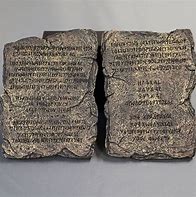
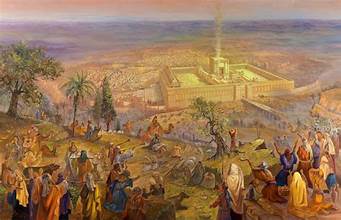
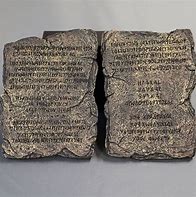
In Exodus, God gave the Law to the Israelites and told them to cleanse themselves from sin each year through animal sacrifice. This foreshadowed a future time when the Messiah would be the ultimate sacrifice, breaking the curse for all who believe. Jesus is called the New Covenant, which requires faith, as He is the only way back into harmony with the Father: “I am the way, the truth, and the life. No one comes to the Father except through Me” (John 14:6). The Old Testament speaks of God’s promises to Israel through the Abrahamic, Noahic, Mosaic, and Davidic covenants. The Mosaic Covenant brought the Ten Commandments to the Israelites on Mt. Sinai. The Law was never meant to save but to reveal humanity’s sin and need for a Savior. Animal sacrifices were commanded as part of cleansing from sin, pointing to the coming Messiah whose blood would cleanse the world’s sins once and for all.

Spiritual Disciplines
Jesus often withdrew into nature to pray to the Father, showing how believers can find meditation and solitude more meaningful when away from the noise and distractions of the world. Through quiet contemplation and self-evaluation, a believer can reflect on true motives and desires, allowing the Holy Spirit to shape their character and inspire them to live out spiritual disciplines (Strobel). These disciplines include prayer, meditating on the Word, reading and studying Scripture, memorizing Scripture, fasting, and serving others, all of which draw a person closer to becoming more like Christ. Immersing oneself in Scripture, prayer, meditation, and reflection opens the heart and mind for the Spirit to work, leading to repentance, obedience, and self-awareness—not as acts of good works, but in faith. As Dallas Willard notes, “prayer has a ‘spiritually strengthening effect’ on every aspect of our personality. It builds our faith and confidence in God. To be done well, prayer will almost certainly be linked with other disciplines…” (Vos).

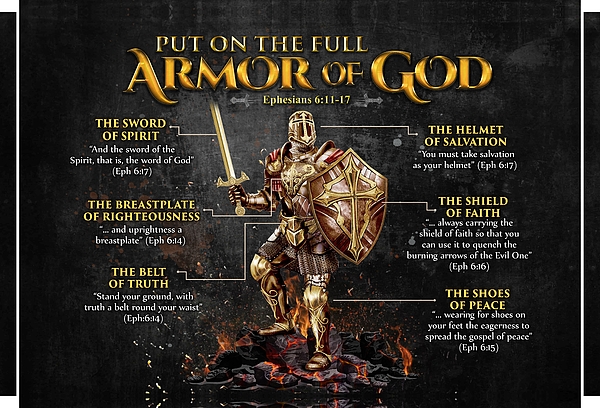
The closer believers draw to Jesus, the more they face attacks and temptations to disobey God. In Matthew 4:1-11, we see Jesus confronted by Satan’s attempts and teaching us to fight back with Scripture when Satan manipulates its meaning to deceive Him. Apostle Paul describes the inner struggle between a believer’s sinful nature and God’s holy nature, emphasizing the need for a transformed mind and heart, free from the “pattern of this world” (Romans 12:2). He also urges believers to put on “the full armor of God” to stand firm against the devil’s schemes (Ephesians 6:10). Prayer, for instance, is a key discipline in resisting the enemy. As Chapell notes, our desire to resist is often weak and we can want to rid ourselves of sin while still craving it. By “praying in the Spirit,” we ask Him to stir a greater zeal for God within us, enabling us to face and overcome the enemy’s attacks (Chapell).

Character Formation in Daily Life
A believer’s journey is filled with both struggles and blessings, moments of sadness and joy, as the human and spiritual natures often clash. Through faith and hope, character is shaped by consistently practicing spiritual disciplines, living out the call to “…go and make disciples of all nations…” (Matthew 28:19). As Christ’s ambassadors, the mission is to share the Gospel and make more disciples. This kind of spiritual growth means moving beyond simple understanding to truly experiencing life as someone whose heart longs for God’s Kingdom over the ways of the world.

Staying grounded in the Word through study and application becomes clear in my life when I approach it with proper context and understanding. Instead of living in isolation or hiding one’s faith, there’s freedom in living it openly, just as Matthew says, “Neither do people light a lamp and put it under a bowl; instead they put it on its stand, and it gives light to everyone in the house” (Matthew 5:15). Being unafraid and driven by a genuine desire to live out faith in a broken world leads to experiencing real joy.


References:
Chapell, B. (2011). Holiness by grace: Delighting in the joy that is our strength. Wheaton, IL: Crossway. ISBN-13: 978-1433524424
Strobel, K. (2013). Formed for the glory of God: Learning from the spiritual practices of Jonathan Edwards. Downers Grove, IL: IVP Books. ISBN-13: 978-0830856534
Vos, B. (2012). The Spiritual Disciplines and Christian Ministry. Evangelical Review of Theology, 36(2), 100–114. Retrieved from https://search-ebscohost-com.lopes.idm.oclc.org/login.aspx?direct=true&db=rlh&AN=75190759&site=eds-live&scope=site

Trinity, God Triune

God’s existence is revealed to humanity through both general and special revelation. In terms of general revelation, Thomas Aquinas explains general revelation refers to the beauty of the earth and universe, miracles, scripture, and the supernatural—everything we experience through our senses: sight, sound, smell, touch, and taste. Genesis describes God as Creator: “God created the heavens and the earth. Now the earth was formless and empty, darkness was over the surface of the deep…” (Gen 1:1-2).

At some point, everyone has wondered why we are here and who our creator is. The Bible is seen as the source of truth for these questions. In Genesis 1, we meet the Trinity: “Let us make mankind in our image…” (Genesis 1:26). This doesn’t mean there are three gods; rather, God is Triune—three persons in one: God the Father, God the Son, and God the Holy Spirit. Genesis repeats “God said” ten times, showing how He spoke creation into being. In the Old Testament, God communicated through His prophets, as in “He sent out his word and healed them…” (Psalm 107:20) and “…my word…will accomplish what I desire…” (Isaiah 55:11). In the New Testament, God still speaks through His Word, now embodied in His Son, the ‘logos’—reason and divine order. In His humanity, Jesus relates to creation; in His divinity, He is sinless and conquers death. The Apostle John highlights this by calling Jesus the Word: “In the beginning was the Word, and the Word was with God, and the Word was God,” linking back to Genesis 1. Jesus’ mission was to restore humanity to God, so He took on flesh, was born a Jew—His chosen people—and was called Immanuel, meaning “God with us.” Before His death, in John 17, Jesus prayed, “…Glorify your Son, that your Son may glorify you…I have brought you glory on earth by finishing the work you gave me…glorify me…with the glory I had with you before the world began.” Jesus is the living personification of God’s spoken word.


The Holy Spirit’s role in creation first appears in Genesis 1:2, where “the Spirit of God was hovering over the waters.” Throughout the Old Testament, the Holy Spirit is active, and in the New Testament, He miraculously causes the virgin Mary to conceive, anoints Jesus at His baptism, and descends on the apostles at Pentecost. The Bible records two occasions when all three persons of the Trinity are present together: creation and the baptism of Jesus. At His baptism, “Just as Jesus was coming up out of the water, he saw heaven being torn open and the Spirit descending on him like a dove” (Mark 1:10), and the Father declared, “You are my Son, whom I love; with you I am well pleased” (Mark 1:11). Jesus was divine from birth and didn’t need the Spirit to enter Him; His baptism fulfilled prophecy, such as Isaiah 42:1, which foretold the public bestowal of the Spirit before His ministry began. Baptism symbolizes rebirth—dying to self and being born again. Jesus explained to Nicodemus, “…unless one is born again he cannot see the kingdom of God.” During His ministry, Jesus stressed the importance of the Holy Spirit, saying, “Every kind of sin and slander can be forgiven, but blasphemy against the Spirit will not be forgiven” (Matthew 12:31). He told His disciples that after He returned to the Father, the Spirit would come to be with them forever: “…I will ask the Father, and he will give you another advocate to help you and be with you forever—the Spirit of truth…” (John 14:16-17).


Divine intellect in the mind, body, and soul would have remained in humanity if not for the fall that corrupted human nature (Stillwaggon). The serpent cunningly deceived Adam and Eve into disobeying God, bringing evil and death into the world (Genesis 3). The world will not be free from this until the return of Jesus. John Calvin taught that all creation is under God’s authority and, according to His justice, has been cursed (Lamoureux). As Paul writes in Romans, “For the creation was subjected to frustration, not by its own choice, but by the will of the one who subjected it, in hope that the creation itself will be liberated from its bondage to decay and brought into the freedom and glory of the children of God. We know that the whole creation has been groaning as in the pains of childbirth right up to the present time” (Romans 8:20-22). Through God’s grace, mercy, love, patience, and forgiveness, humanity has been given a path to redemption. The Law was given to so people could understand what sin is—referred to as works—which is impossible to uphold. Only with the coming of the Messiah can humanity place faith in Jesus Christ instead of works, so that no one may boast (Romans).


God’s existence is revealed to humanity through both general and special revelation. In terms of special revelation, Thomas Aquinas explains that while reason can grasp God’s existence and certain attributes, other truths—like the Trinity—are known only through it. In Exodus, God reveals Himself to the Hebrews, making Israel a unique theocracy. Historian Josephus Flavius and theologians such as Aquinas and Barth affirm the biblical accounts of Abraham, Isaac, Jacob, and Joseph as real historical events. Joseph’s story describes the Jewish people moving from Canaan to Egypt, living in slavery for 400 years until God delivers them from Pharaoh through Moses. God teaches them to love and worship Him, the one true God, instead of the pagan gods of Egypt. Still, Israel often fell into idolatry under the influence of surrounding nations, leading to judgment and eventual captivity by the Assyrians in 722 BC and the Babylonians in 586 BC. In the end, Jesus accomplishes what Israel could not.

Israel deserves the world’s respect because it is through the Jewish people that the Messiah came. Jesus came from this ethnic group for the sake of the whole world. We don’t know why God chose them, as they’ve been called “stiff-necked” and “hard-hearted.” Eventually, Israel will come to believe in Jesus Christ when the fullness of the Gentiles arrives (Romans 11). In Genesis 12, God promises to bless those who bless Israel and curse those who curse it. He made a promise to Abraham to create a nation through his bloodline, and God always keeps His promises. If He didn’t, how could we trust Him to keep His promises to us? The Church is the bride of Christ, and Israel is His people—He’s not done with them yet.


References
Lamoureux, D. O. (2016). Beyond the Cosmic Fall and Natural Evil. Perspectives On Science &
Christian Faith,
68(1), 44-59. Retrieved by: https://lopes.idm.oclc.org/login?url=http://search.ebscohost.com/login.aspx?direct=true&db=a9h&AN=113835293&site=eds-live&scope=site
Stillwaggon, J. (2014). The Problem of Propagation: Original Sin as Inherited Discourse. Studies In
Philosophy & Education, 33
(1), 61-73. doi:10.1007/s11217-013-9362-7. Retrieved by: https://lopes.idm.oclc.org/login?url=http://search.ebscohost.com/login.aspx?direct=true&db=a9h&AN=93447361&site=eds-live&scope=site