ORIGINAL SIN

April 2025

SIN IS THE “PRIVATION OF THE GOOD”

(Stillwaggon, 2014, pp. 67)

The very reason humans cannot see their true state of depravity that leads to eternal suffering, death and destruction is because of their inability to understand and comprehend who God is, who they are, and the true destructiveness of sin.                                                                                

The Fall has left humanity depleted of grace; however, what remains is an innate ability and basic knowledge of good and evil (McQuilkin & Copan, 2014). There is an ‘ah ha’ moment and a revealing of sorts when a believer becomes cognizant and humbly aware of how blissfully Ignorant they have lived their life up to that point. The believer has been given ‘new’ eyes and ears.

A true believer cannot love God and the world (Matt 6), and will experience the following:

1. Battle between flesh (selfishness) and spirit (other-centered) as the flesh desires to have what it wants and what it wants is sinful pleasures all the time.

2. Heart and mind continually undergoes a process of transformation as they grow to become more Christ-like, “Do not be conformed to this world, but be transformed by the renewal of your mind, that by testing you may discern what is the will of God, what is good and acceptable and perfect” (Romans 12:2 ESV).

3. Hold a Christian worldview that sees the world differently than before; truly for what it is, dark, unjust, unfair, cruel, idolatrous, and deceiving with its ruler, Satan (enemy, devil, prince of this world).

4. Expect to be rejected by friends and family; Jesus was hated, expect the same (John 15:18).

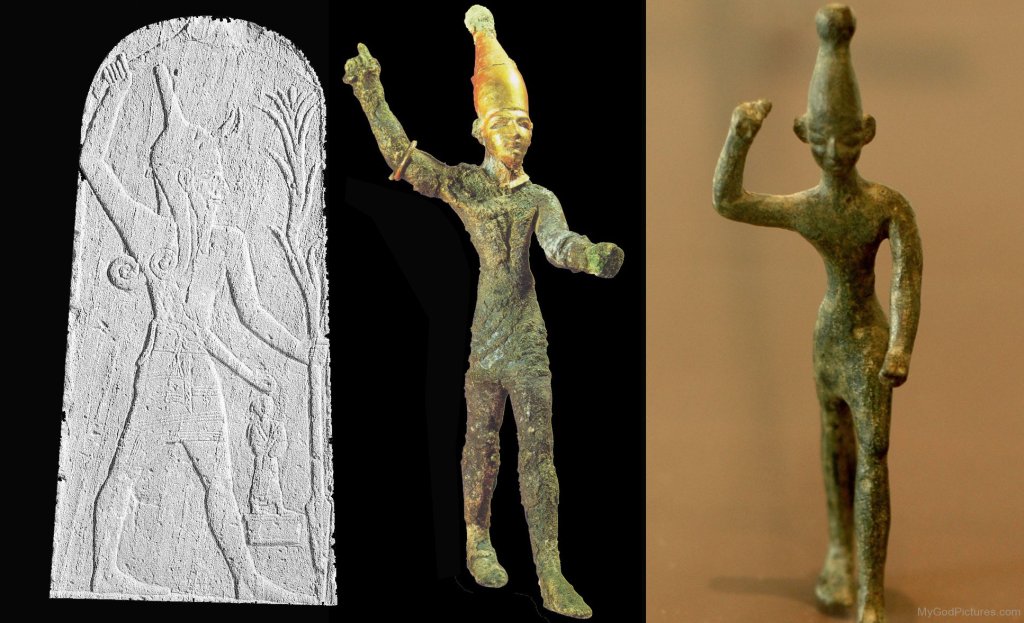
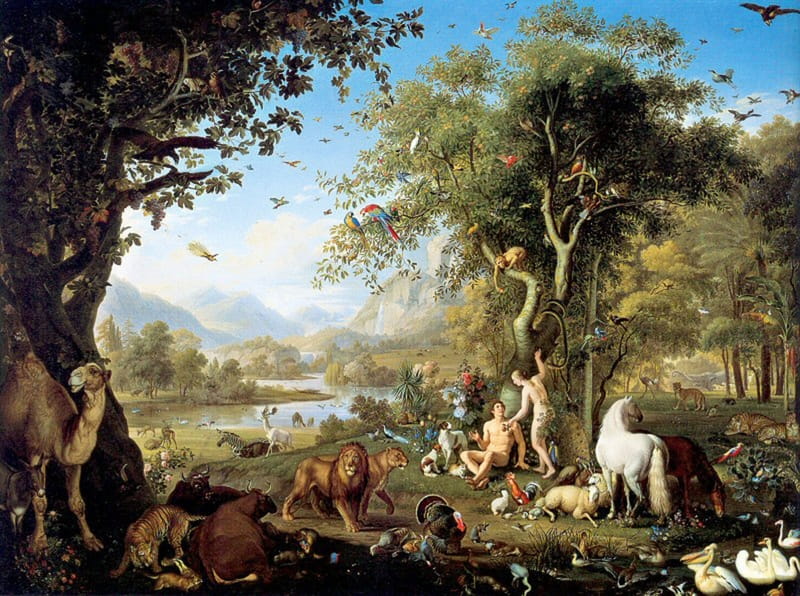
Original sin results in the chasm that separates the human race from God, Jesus’ sacrifice on the cross bridges that gap so that believers may enter in relationship with God the Father. Good can only come from good; therefore, God being love, good, holy, and unique to anything that ever was, is, and will be, only creates goodness out of His goodness (Bird, 2013). In Matthew it is confirmed that “A good tree cannot bear bad fruit, and a bad tree cannot bear good fruit” (Matthew 7: 18 NIV). We can establish that the Creator God made Adam and Eve “good”, in addition to blessing them with some of God’s divine attributes (Bird, 2013). Additionally, God through His love bestows freedom on His creation. With freedom comes risk; consequently, it turns out that Adam and Eve’s freedom results in rebellion against God and in turn causes humanity and the world to spiral down in a state of depravation. The door of the knowledge of good and evil opens and affects not only Adam and Eve individually, but also humanity on a whole referred to as Original Sin (Highfield, 2008). Through the coercion of the serpent in Genesis 3, Adam and Eve desire to be more like God, “…when you eat from it your eyes will be opened, and you will be like God, knowing good and evil” (Genesis 3:4 NIV). The Old Testament clearly presents Original Sin and humanity’s propensity to sin, as Bird says, “there is a clear solidarity between Adam and his progeny so that what is true of the primal representative is true of those whom he represented” (Bird, 2013, p. 681). Examples of this are seen from sin going from eating the fruit, to Cain killing Able, to sacrificing of children to Baal, to the crucifixion of the Messiah.

This corrupt nature of man is not something added nor present in the beginning, but rather was something taken away and became unreachable within the being of the human. In Romans, Apostle Paul addresses the human essence by comparing how humanity was first “in Adam” and then has been redeemed by the “second Adam” in Jesus Christ (Romans 5:12). It is through Jesus that God gifts to humanity the means of bringing His creation back to a state of goodness and holiness so that creation can have a relationship with Him again. The Gospel further illustrates how humanity can find its way from its depravation in mind, body and soul to becoming healthy again and fully human.

When studying the Old Testament and the New Testament, we learn that humans were meant to be healthy. In Psalm 8: 4-6, the psalmist refers to humans as lower than angels and yet were “crowned” with “glory and honor”; and in the New Testament, Hebrews goes on to specifically state that it is through Jesus of whom shared in our humanness while living on earth that shows humanity how to find their back to this state of glory and honor, “shared in their humanity so that by his death he might break the power of him who hold the power of death – that is, the devil – and free those who all their lives were held in slavery by their fear of death” (Hebrews 2:14-15 NIV). Back in Genesis 3, it is evident the evil serpent knew exactly how to entice and appeal to Adam and Eve’s desirous nature located in the lower part of the soul (Berkhof). Again, it is because of what human beings lack that has sickened their nature. The New Testament is filled with numerous incidents where Jesus heals the physical, mental, and spiritual infirmities of people. As Matthew puts it, Jesus healed “those suffering severe pain, the demon-possessed, those having seizures, and the paralyzed; and he healed them” (Matthew 4:23-24 NIV).

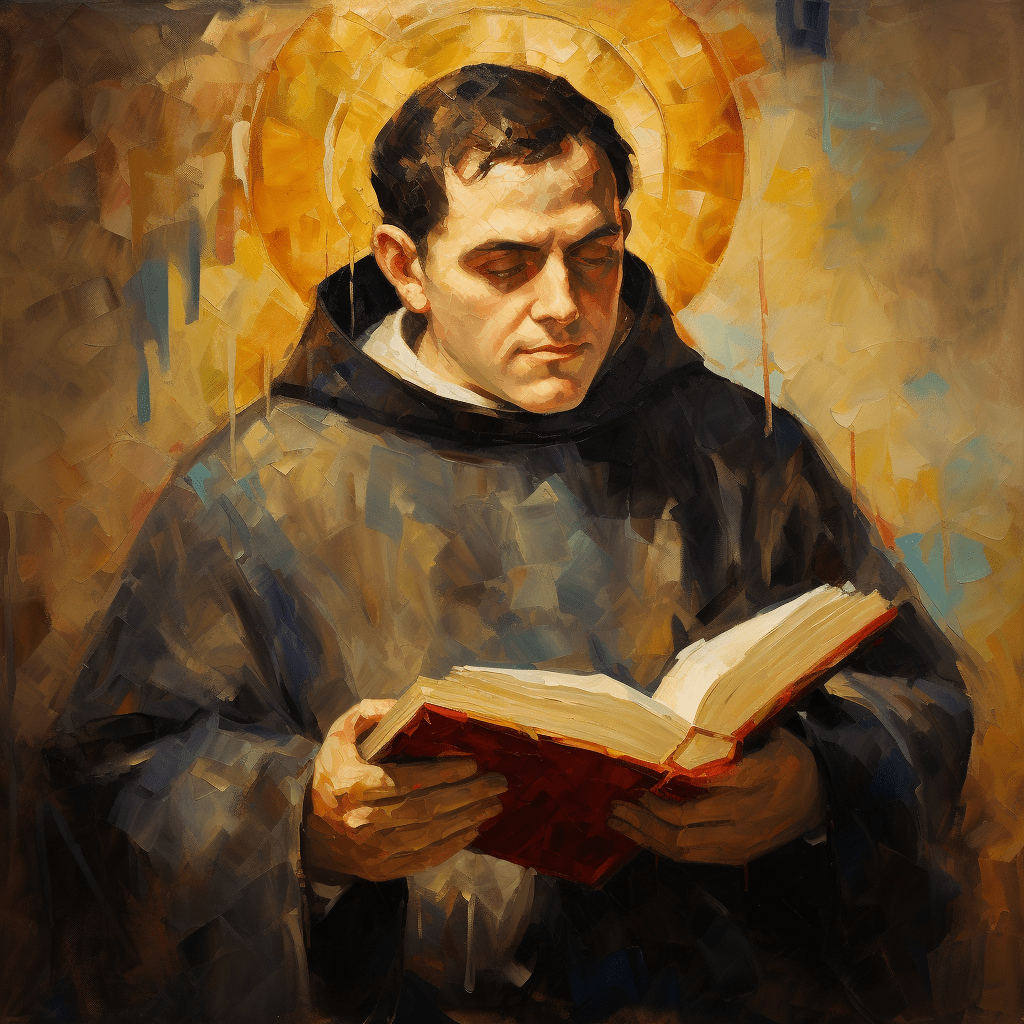
Sin attacks in every way possible. Thomas Aquinas held that Adam and Eve had original justice until Genesis 3, “Desire as a fundamental aspect of material existence manifests itself in a more complex manner in Aquinas’ account of beings’ natural desire toward their teleological perfection” (Stillwaggon,2014, p. 65). This is essential in that it shows how desire was “guided by divine intellect, also known original justice” (Stillwaggon, 2014, p. 67); therefore, simply put, “original sin just is the due lack of original justice, the lack of justice that ought to be present by Adam’s will” (Houck, 2016, p. 77). Houck goes on to explain that because something is lacking in human nature, does not mean human beings are not responsible, but rather the responsibility rests on the human will (Houck, 2016). Through classical theology, we learn sin derives from humanity’s lower soul (Berkof). These are characteristics such as ‘self-centeredness’ as opposed to the Godly attribute of ‘other-centeredness’, and ‘enslavement’ as opposed to the Godly attribute of ‘freedom’ (Bird, 2013). As cited in Bird (2013), Kevin Vanhoozer says, “evangelicals need to recapture a passion for biblical formation: a desire to be formed, reformed and transformed by the truth and power of the gospel” (Bird, 2013, p. 31). Desire is not bad until it is rooted in sin; therefore, as written in Romans 8 and Galatians 5, and as Bird (2013) states, human beings can “live obediently to God, to deprive flesh and desire of their power in sin” (Bird, 2013, p.155). Sin is the devil’s thoughts becoming our thoughts; what begins as a thought amounts to nothing until it takes root and becomes a stronghold . Biblical examples of how people overcome their sinfulness, include Moses, King David, Daniel, and Apostle Paul (Daniel 3, Psalm 3, Ephesians 5, 6). For instance, Moses was a murderer and had a temper that eventually resulted in not being allowed to enter the Promised Land (Numbers 20:9-11).

God is the only God and the Creator of all things, as John shows with his words that tie back to Genesis, The Word (Jesus) was present during creation, “through him all things were made; without him nothing was made that has been made. In him was life, and that life was the light of all mankind” (John 1:3-4 NIV). The concept of humanity from its potential to actual can only be achieved through God of whom is “pure actual” (Highfield, 2008). When Apostle Paul states that through Adam, one man, sin came into the world (Romans 5:12) suggest that although human behavior, if left to our fallen nature, a result of the fall, “we are still agents with intentionality and continue to be referred beyond ourselves to something more wherein lies our final destiny and definitive identity” (Novello, 2009, P. 187). The fact that humans feel guilt is also indicative that our human nature is lacking (Novello, 2009). These feelings of guilt are necessary in that it shows human beings that they are not right by God (Novello, 2009). And we can see how this guilt is able to transform as Isaiah puts it when confronted with feelings of his guilt, “Then one of the seraphim flew to me with a live coal in his hand, which he had taken with tongs from the altar. With it he touched my mouth and said, see this has touched your lips; your guilt is taken away and your sin atoned for” (Isaiah 6:6-7 NIV). Prior to that moment for Isaiah, in verse 5, he becomes aware of his fallen state as a human being and does not think himself worthy to live or even be in the presence of God. In the New Testament, Apostle Paul continually calls himself a “wretched man” (Romans 7:24, 25). Apostle Paul is a great example in the New Testament of being given grace and mercy, and only through Jesus Christ is being restored back to God. When Jesus was on earth, He spoke about the Kingdom of Heaven, and when that comes to its full realization, all of humanity that believes in Jesus as Lord and Savior will be redeemed.

The Gospel is the good news found in Jesus Christ, where one finds salvation by the grace of God through the power of the Holy Spirit. Because of sin through Adam and Eve, all are sinners from birth, “The Lord saw how great the wickedness of humanity had become on the earth, and that every inclination of the thoughts of the human heart was only evil all the time (Genesis 6:5 NIV). Humanity goes from seeing sin when confronted with God’s Law in Exodus and Deuteronomy to gaining some understanding of the human beings’ purpose through Jesus. Guilt is part of the process in dealing with sin resulting in further knowledge of our need of a Savior. As Apostle Paul says, “We know that the law is spiritual; but I am unspiritual, sold as a slave to sin. I do not understand what I do. For what I want to do I do not do, but what I hate to do.” (Romans 7:14-15 NIV). Paul acknowledges that humanity lacks the essence of things Godly such as divine nature that is good and holy. Through the Holy Spirit, humanity has been given a path to regain the privation of the good that has been made hidden because of Original Sin (Bird, 2013). It is through our second Adam, Jesus Christ, that humanity has been given hope; therefore, humanity must cling to God through faith and be thankful for His grace and mercy. This then leads to repentance so as to cleanse our sinful human nature so that we may share in everlasting life with God.

References:
Bird, M. F., (2013). Evangelical Theology: A Biblical and Systematic Introduction. Grand Rapids, MI: William B. Eerdmans Publishing.  Retrieved from: http://www.gcumedia.com/digital-resources/harpercollins/2013/evangelical-theology_a-biblical-and-systematic-introduction_ebook_1e.php

Berkhof, L.. Man in the State of Sin in Part Two: The Doctrine of Man in Relation to God. Systematic Theology. Retrieved by: https://www.monergism.com/thethreshold/sdg/berkhof/systematic_theology.html

Highfield, R. (2008). Great is the Lord: Theology for the praise of God. Grand Rapids, MI: William B. Eerdmans Publishing. Retrieved from: https://lc-ugrad3.gcu.edu/learningPlatform/externalLinks/externalLinks.html?operation=redirectToExternalLink&externalLink=http%3A%2F%2Fgcumedia.com%2Fdigital-resources%2Fwm-b-eerdmans-publishing-co%2F2008%2Fgreat-is-the-lord_theology-for-the-praise-of-god_ebook_1e.php

Houck, D. W. (2016). Natura Humana Relieta est Christo: Thomas Aquinas on the Effects of Original Sin. Archa Verbi, (13), 68-102. Retrieved from: https://lopes.idm.oclc.org/login?url=http://search.ebscohost.com/login.aspx?direct=true&db=a9h&AN=123947781&site=eds-live&scope=site

Hybels, B., Mittelberg, M. (1994). Becoming a contagious Christian. Grand Rapids, MI: Zondervan. ISBN-13: 9780310210085. Retrieved from http://gcumedia.com/digital-resources/harpercollins/1996/becoming-a-contagious-christian_ebook_1e.php

Lamoureux, D. O. (2016). Beyond the Cosmic Fall and Natural Evil. Perspectives On Science & Christian Faith, 68(1), 44-59. Retrieved from: https://lopes.idm.oclc.org/login?url=http://search.ebscohost.com/login.aspx?direct=true&db=a9h&AN=113835293&site=eds-live&scope=site

Novello, H. L. (2009). Lack of Personal, Social and Cosmic Integration: Original Sin from an Eschatological Perspective. Pacifica, 22(2), 171-197. Retrieved from: https://lopes.idm.oclc.org/login?url=http://search.ebscohost.com/login.aspx?direct=true&db=a9h&AN=58618677&site=eds-live&scope=site

Stillwaggon, J. (2014). The Problem of Propagation: Original Sin as Inherited Discourse. Studies In Philosophy & Education, 33(1), 61-73. doi:10.1007/s11217-013-9362-7. Retrieved from: https://lopes.idm.oclc.org/login?url=http://search.ebscohost.com/login.aspx?direct=true&db=a9h&AN=93447361&site=eds-live&scope=site c



Genesis Compared to Other Creation Stories

2025

Sinful Creatures in Need of a Good God


April 2025

One of, if not the greatest Christian is the Apostle Paul of whom said, “I do not do the good I want to do, but the evil I do not want to do – this I keep on doing” (Romans 7: 19)

Without the Holy Spirit, human beings cannot know God nor have a relationship with Him. Jesus tells the Apostles in John 14 that after He goes back to the Father, the Holy Spirit will be their companion, He will be in them and with them. It is because of God’s Spirit that a believer begins to transform, exhibiting Holy Spirit’s attributes of “love, joy, peace, forbearance, kindness, goodness, faithfulness, gentleness, and self-control” unlike the sinful attributes of “sexual immorality, impurity and debauchery; idolatry and witchcraft; hatred, discord, jealousy, fits of rage, selfish ambition, dissentions, factions, and envy; drunkenness, orgies, and the like” (Galatians 5:19-21).

The world advocates that if you follow your own heart and live your own truth you will be happy. You are good the way you are, and if not, read self-help books because you are in control of your own life. This mantra is a lie and a follower in Christ knows this because it takes one to discern their motives and desires residing in their heart to truly have joy and be in line with the Word of God. Often we see that when followers of Christ or non-believers choose to live their life without God they are not happy and wonder why. Jeremiah sums it up this way, the heart is deceiving amongst all things, who can know it; consequently, it requires the lifelong sanctification process only made possible through the act of the believer’s spirit working in tandem with the Holy Spirit.

The common worldview screaming the loudest in society is how good and powerful we are without God; this feeds into Satan’s plan to deceive humans and harkens back to the Garden. Jesus calls out the devil for what he is, a “deceiver”, “enemy” (Matt 13:39); “liar” (John 8:44); “murderer” (John 8:44); “evil one” (Matt 13:38); and “prince of this world” (John 12:31; 14:30). When Adam and Eve disobeyed God and brought sin into the world, humanity was depleted of grace that can only be restored through the Father. A 13th century theologian, Thomas Aquinas points out that in the Garden, Adam and Eve had “original justice” which is a perfect justice that was taken away the moment they took from the tree of knowledge. In an act of autonomy, they believed and reasoned ingesting the fruit would somehow internalize this knowledge when in actuality took grace away (Stillwaggon, 2014, pp. 67).

God’s Covenants
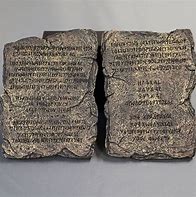
In Exodus, God gave the Law to the Israelites and instructed them to cleanse themselves of sin every year through animal sacrifice. This is a picture of a future time when Messiah will become a sacrifice once and for all, lifting the curse for all who believe in Him for “the wages of sin is death” (Romans 6:23). Jesus is known as the New Covenant and it requires faith for Jesus is the only way back into harmony with the Father “I am the truth, the life and the way, no one comes to the Father except through Me” (John 14:6). The Old Testament tells of God’s promises to the Nation of Israel through the Abrahamic, Noahic, Mosaic, and Davidic covenants. The Mosaic Covenant introduced the 10 Commandments to the Israelites on Mt. Sinai. The Law was never meant to save, but rather show humanity it’s sin and need of a Savior. The Israelites were instructed to conduct animal sacrifices as part of being cleansed for their sin, this painted a picture of the coming Messiah when Jesus’ blood would cleanse the sins of the world once and for all.

Spiritual Disciplines
Jesus went off into nature to pray to the Father. This is an example of how believers can find meditation and solitude more fruitful when done in nature, away from worldly things and it’s noise. It can be through contemplation and evaluation that a believer can examine true motives and desires, being formed as the Holy Spirit imprints His attributes triggering a response in the believer to live out the spiritual disciplines (Strobel, 2013). Spiritual disciplines include praying, mediation on the Word, read and study Scripture, memorize Scripture, fasting, and serving others; this results in a changed life drawing one closer to being more like Christ. Posturing oneself through scripture study, meditation, prayer, and contemplation invites the Spirit to engage in changing one’s mind and heart. The Spirit validates and motivates the believer to repentance, obedience, and self-reflection when the believer invites His glory through engaging in disciplines, not as good works, but rather in faith. Dallas Willard, as cited in Vos (2012) says “prayer has a ‘spiritually strengthening effect’ on every aspect of our personality. It builds our faith and confidence in God. To be done well, prayer will almost certainly be linked with other disciplines…” (Vos, 2012, pp. 104).

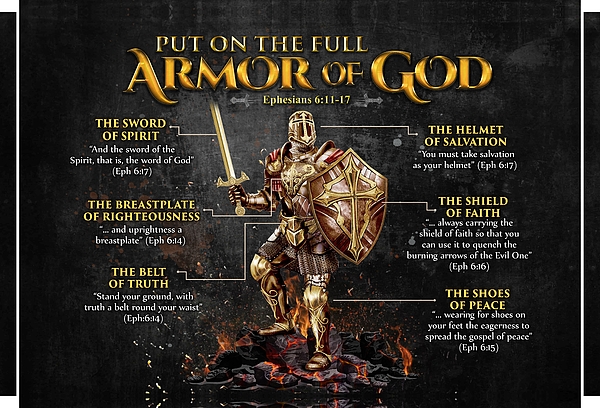
The closer believers get to Jesus, the more they will be attacked and tempted to disobey God. In Matthew 4:1-11, we see Jesus subject to Satan’s attempts and shows us how to fight back with Scripture, including Psalm 91 when Satan deliberately misquotes Scripture trying to trick Jesus.  Apostle Paul identifies a believer’s duel between his sinful nature and God’s holy nature and stresses the need of transformation of mind and heart from the “pattern of this world” (Romans 12:2). Apostle Paul also instructs the importance of putting “…on the full armor of God, so that you can take your stand against the devil’s schemes” (Ephesians 6:10). For example, the discipline of ‘prayer’ helps ward off the enemy, as Chapell (2001) puts it, “…we do not have sufficient desire to resist…” and seek to get rid of sin at the same time desire it; therefore, we “pray in the Spirit” so that He may “stir up within us a greater zeal for God” so that we may combat enemy attacks (Chapell, 2001, pp. 150).

Character Formation in Daily Life
There will be suffering and blessing, sadness and joy throughout a believer’s life as both natures, human and Spirit, live at odds. Through faith and hope, a believer can experience character formation and the importance of diligently practicing the spiritual disciplines, so they are part of what it means to “…go and make disciples of all nations…” (Matthew 28:19). As ambassadors to Christ, the goal is to spread the Gospel and make more disciples, this spiritual formation basically requires going beyond recognition to actual experience as a believer finds his desiring the Kingdom of God versus the world.

Always remaining in the Word through study and application remains evident in my life when proper contextualization and interpretation is undertaken. Rather than live in isolation, or hide one’s faith, it is freeing living outwardly, as Matthew puts it, “Neither do people light a lamp and put it under a bowl, instead they put it on its stand, and it gives light to everyone in the house” (Matthew 5:15). Unafraid driven by true desire to live one’s faith in a forsaken world, leads to experiencing true joy.


References:
Chapell, B. (2011). Holiness by grace: Delighting in the joy that is our strength. Wheaton, IL: Crossway. ISBN-13: 978-1433524424
Foster, R. J.  (1988). Celebration of Discipline: The Path to Spiritual Growth. San Francisco: Harper & Row
González, E. (2016). Jesus and the Temple in John and Hebrews: Towards a New Testament Perspective. Davarlogos, 15(2), 39-65. Retrieved from https://lopes.idm.oclc.org/login?url=http://search.ebscohost.com/login.aspx?direct=true&db=a9h&AN=121475542&site=eds-live&scope=site
Pettit, P. (Ed.). (2008). Foundations of spiritual formation: A community approach to becoming like Christ. Grand Rapids, MI: Kregel Publications. ISBN-13: 978-0825434693
Stillwaggon, J. (2014). The Problem of Propagation: Original Sin as Inherited Discourse. Studies In Philosophy & Education, 33(1), 61-73. doi:10.1007/s11217-013-9362-7. Retrieved by: https://lopes.idm.oclc.org/login?url=http://search.ebscohost.com/login.aspx?direct=true&db=a9h&AN=93447361&site=eds-live&scope=site
Strobel, K. (2013). Formed for the glory of God: Learning from the spiritual practices of Jonathan Edwards. Downers Grove, IL: IVP Books. ISBN-13: 978-0830856534
Vos, B. (2012). The Spiritual Disciplines and Christian Ministry. Evangelical Review of Theology, 36(2), 100–114. Retrieved from https://search-ebscohost-com.lopes.idm.oclc.org/login.aspx?direct=true&db=rlh&AN=75190759&site=eds-live&scope=site
Willard, D. (1998). Spiritual Disciplines, Spiritual Formation, and the Restoration of the Soul. Journal of Psychology & Theology, 26(1), 101–109. Retrieved from https://lopes.idm.oclc.org/login?url=https://search.ebscohost.com/login.aspx?direct=true&db=rfh&AN=ATLA0001001817&site=eds-live&scope=site

Trinity, God Triune

April 2025

At one time or another, humans have pondered, why are we here and who is our maker? the only place to get the truth to these questions is the bible (for more on the bible,https://jesusforum.net/2020/02/19/jesus-church/). In Genesis 1, we are introduced to the Trinity “Let us make mankind in our image…” (Genesis 1:26). Some might interpret this as there must be three gods, that is not correct. God is Triune, consisting of three persons that make up the Godhead, God the Father, God the Son, and God the Holy Spirit. Genesis 1 records “God said” ten times as He speaks creation into existence. God’s method of communication has always been His words, in the Old Testament, God spoke to His prophets to carry out His will, “He sent out his word and healed them, and delivered them from their destruction” (Psalm 107:20); “…my word that goes out from my mouth…will accomplish what I desire and achieve the purpose for which I sent it” (Isaiah 55:11). In the New Testament, God’s method of communication is still His Word, this time through His Son of whom is the ‘logos’, reason and divine order. In Jesus’ humanity, He identifies with His creation, in His godliness he is sinless and able to conquer death. Apostle John put focus on this in his gospel and personified Jesus as the Word, “In the beginning was the Word and the Word was with God and the Word was God” drawing back to His divinity in Genesis 1. Jesus’ mission was to pave the way for man to be restored to God; therefore, He took on flesh to live among His creation, was born a Jew (formerly the Hebrews) His chosen people, and was given the name Immanuel which means “God with us’ in Hebrew. Before His death, we read in John 17 Jesus pray to the Father, “…Glorify your Son, that your Son may glorify you…I have brought you glory on earth by finishing the work you gave me to do. And now , Father, glorify me in your presence with the glory I had with you before the world began”. Jesus is the personification of the spoken ‘word’ (the Word) and ‘wisdom’ found at the cross where time and eternity meet and is the consciousness of that communication. Isaiah’s prophesy on this states, “For the message of the cross is foolishness to those who are perishing, but to us who are being saved it is the power of God. For it is written: “I will destroy the wisdom of the wise; the intelligence of the intelligent I will frustrate” (1 Corinthians 1:18). Commentary on this subject agrees “Jesus is the personification of wisdom as is described in Proverbs 5-8” (Stewart, 2018).


The Holy Spirit’s role in the act of creation is first seen in verse 2 in Genesis 1 “…the Spirit of God was hovering over the water”. The Holy Spirit is active throughout the Old Testament, and in the New Testament, the Holy Spirit inseminates the virgin Mary, anoints Jesus at His baptism, and descends on the apostles in what is called Pentecost. Twice in the bible, we see all three persons of the Trinity present at the same time, creation and the baptism of Jesus. The Holy Spirits anoints Jesus, “Just as Jesus was coming up out of the water, he saw heaven being torn open and the Spirit descending on him like a dove” (Mark 1:10) and the Father speaks, “and a voice came from heaven, you are my Son of whom I am well pleased” (Mark 1:11). Jesus was already divine at birth and did not need the Spirit of God to enter Him. The purpose of His baptism was to fulfill the prophesy in Isaiah, one verse being Isaiah 42:1 which speaks to the Servant being given the Spirit in a public display before beginning His ministry. Baptism represents a rebirth, dying to self and be born again. Jesus describes this to pharisee Nicodemus “…unless one is born again he cannot see the kingdom of God.” During Jesus’ ministry on earth, He clearly states the importance of the Holy Spirit, “And so I tell you, every kind of sin and slander can be forgiven, but blasphemy against the Spirit will not be forgiven” (Matthew 12:31). Only when Jesus leaves, will the Holy Spirit come, Jesus also tells His disciples that when He goes back to the Father, the Spirit will come to be with them, “…I will ask the Father, and he will give you another advocate to help you and be with you forever – the Spirit of truth. The world cannot accept him, because it neither sees him nor knows him. But you know him for He will be in you and with you…” (John 14:16-17).


Divine intellect in the the mind, body and soul would have remained in the human soul if not for the fall corrupting the nature of man (Stillwaggon, 2014). The serpent used his wiles to trick Adam and Eve into disobedience to God resulting in evil and death entering the world (Genesis 3). The world will never be free of until the return of Jesus. According to John Calvin, all of creation is subject to God and thus according to God’s justice has been cursed (Lamoureux, 2009). Apostle Paul says in Romans “For the creation was subjected to frustration, not by its own choice, but by the will of the one who subjected it, in hope that the creation itself will be liberated from its bondage to decay and brought into the freedom and glory of the children of God. We know that the whole creation has been groaning as in the pains of childbirth right up to the present time” (Romans 8:20-22). It is because of God’s grace, mercy, love, patience, and forgiveness that humanity has been given a path to redemption. The Law given to Moses so that humanity can know what sin is, this is referred to as works, which is impossible to maintain. it won’t be until coming Messiah that humanity can put their faith in Jesus Christ as opposed to works so that no one can boast (Romans).


Thomas Aquinas “…argues that the existence and some attributes of God can be known by reason, whereas other things about God – for example, that God is triune – can be known only through special revelation” (Highfield, 2008, p. 105-106). The existence of God has been made known to humanity through general revelation and special revelation; the first refers to the physical beauty of earth and the universe that is all around us, everything we take in through the senses – sight, sound, smell, touch, and taste. God is Creator, recorded in Genesis “…God created the heavens and the earth. Now the earth was formless and empty, darkness was over the surface of the deep…” (Gen 1:1-2). Special revelation is God revealing Himself through various means including miracles, scripture, and the supernatural; for example, the Nation of Israel meets God in Exodus and becomes the only nation ever to be set-up as a theocracy. First century historian Josephus Flavius, as well as theologians (Aquinas, Barth) affirm the stories of Abraham, Isaac, Jacob, and Joseph as real events that took place in humanity’s history. For instance, the Joseph story shows how the Jewish people go from Canaan to Egypt where they will live for 400 years as slaves until God frees them from Pharaoh. It is through Moses that God frees the Jewish people and teaches them to love and worship their God, Yahweh, the only one true God, as opposed to pagan gods they have come to know in Egypt. Israel, time and time again, allowed themselves to be influenced by the surrounding pagan nations that resulted in their idolatry (worshipping false gods) and sacrifices. This would later result in judgement that takes them into bondage under the Assyrians (722 BC) and later the Babylonians (586 BC). Jesus will accomplish where Israel fails.


After Jesus commissions His disciples to spread His church throughout the world to all the nations (Matt 28:16-20), the church will confront, challenge, and establish its set doctrine. As one can imagine, there were many heresies against the Christian community and attacks on the identity of Jesus. Arianism was one well known heresy that argued against the divinity of Jesus, it proclaimed Jesus as a created being making the Son not equal to God the Father. If this were the case, then Jesus’ death and resurrection would not be able to save humanity from eternal death. As with the Nation of Israel, the Church will become idolatrous and it will take centuries for it to find its way back. Beginning with Arianism, the church had to push back against this heresy during the Patristic Age (100-500AD) through to the early Middle Ages (Dark Ages). This required church leaders to come to the defense of Jesus as being the God-Man. These events have been recorded at the councils of the Nicene Creed in 325, Nicene/Constantinople Creed in 381, and Toledo in 589, and confirm Jesus as fully human and fully God; the same essence, coequal, and coeternal to the Father (homoousious). Systematic methodology came about during the centuries the church found itself explaining and defending God. It is a process by which to learn and know God and involves study and interpretation of scripture by gathering and organizing similar themes of information from various sources, such as scripture, nature, tradition, and experience (Highfield, 2008). Through this systematic methodology application, theologians confirm the Nicene Creed’s reaffirmation that God is Triune; and the homoousious of the three persons that make up the Godhead – Father, Son, and Holy Spirit – One God, three persons.

References
Henry, M. (2018). Matthew Henry’s Concise Commentary on the Whole Bible. M. Henry (1662 – 1714). Retrieved from: https://www.biblestudytools.com/commentaries/matthew-henry-complete/matthew/12.html
Highfield, R. (2008). Great
is the Lord: Theology for the praise of God
. Grand Rapids, MI: William B. Eerdmans Publishing. Retrieved by: https://lc-ugrad3.gcu.edu/learningPlatform/externalLinks/externalLinks.html?operation=redirectToExternalLink&externalLink=http%3A%2F%2Fgcumedia.com%2Fdigital-resources%2Fwm-b-eerdmans-publishing-co%2F2008%2Fgreat-is-the-lord_theology-for-the-praise-of-god_ebook_1e.php
Lamoureux, D. O. (2016). Beyond the Cosmic Fall and Natural Evil. Perspectives On Science &
Christian Faith,
68(1), 44-59. Retrieved by: https://lopes.idm.oclc.org/login?url=http://search.ebscohost.com/login.aspx?direct=true&db=a9h&AN=113835293&site=eds-live&scope=site
Stewart, D. (2018). Why was Jesus Called the Word of God? (Logos). Blue Letter Bible. Retrieved from: https://www.blueletterbible.org/faq/don_stewart/don_stewart_219.cfm
Stillwaggon, J. (2014). The Problem of Propagation: Original Sin as Inherited Discourse. Studies In
Philosophy & Education, 33
(1), 61-73. doi:10.1007/s11217-013-9362-7. Retrieved by: https://lopes.idm.oclc.org/login?url=http://search.ebscohost.com/login.aspx?direct=true&db=a9h&AN=93447361&site=eds-live&scope=site