
Church and State
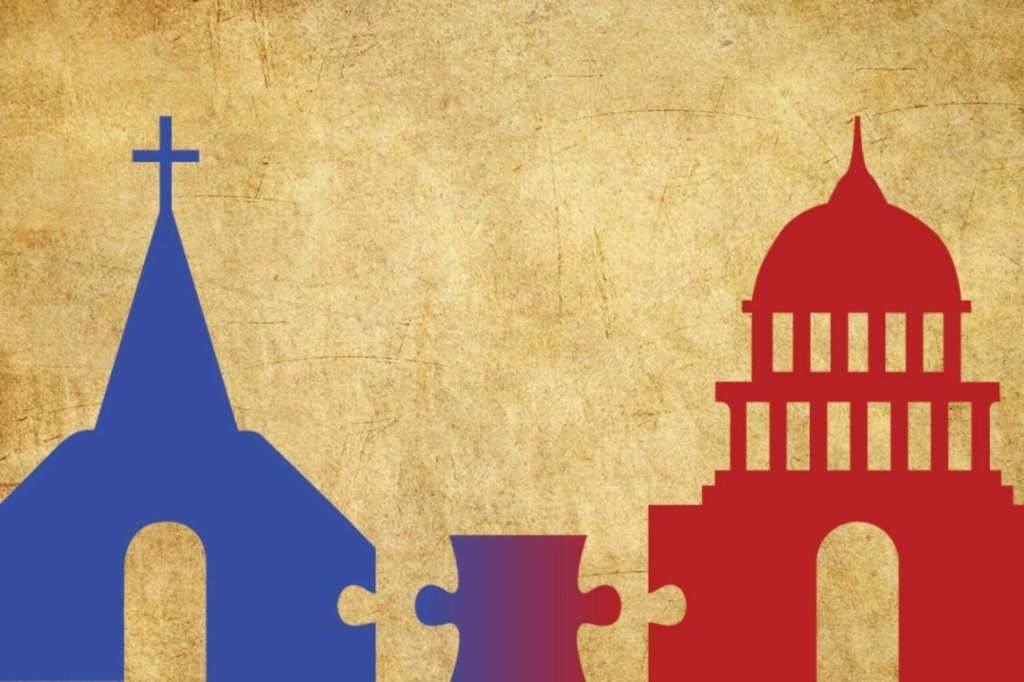
Church and state should remain separate, even though they’ll inevitably influence each other. By His amazing grace, God has given us the Bible—a timeless and powerful guide that offers wisdom for every situation. While matters like health or economics are important, the Bible doesn’t outline a specific economic system or medical rules. Instead, God provides what we need for salvation and to live out the Christian faith in any circumstance we face in the world.
Church and State are meant to be separate. Humility is central to living as a Christian, reflecting the light of Jesus by fostering relationships in a community without rigid hierarchies, which contrasts sharply with the world. The Church aims to transform people from within, where the heart is shaped by love and humility without forcing its beliefs or morals on a secular society. Secularism is seen as placing human reason over divine revelation as the basis for morality. In secular culture, people often embrace whatever “truth” they choose, prioritizing self-love and personal happiness. Then there’s Immanuel Kant’s view, a philosophy that attempted to reconcile religious belief and rational, secular thought. He embraced both perspectives, arguing that morality should be grounded in duty—doing good simply for its own sake—without placing emphasis on divine influence or personal growth as a human being. Jesus taught, “Render to Caesar the things that are Caesar’s, and to God the things that are God’s” (Matthew 22:21), showing that even rulers answer to God. Scripture repeatedly encourages being good, law-abiding citizens and praying for leaders (Matt 17:27; Titus 3:1). Apostle Paul in Romans 13 urges respect for governing authorities since all authority comes from God, and warning that resisting them means opposing God’s order. It’s worth noting that if a Christian feels they’re being asked to go against their Bible-based beliefs, there are ways to respectfully refuse. In short, a true believer cannot follow both God’s kingdom and the worldly kingdom.
Church Over State
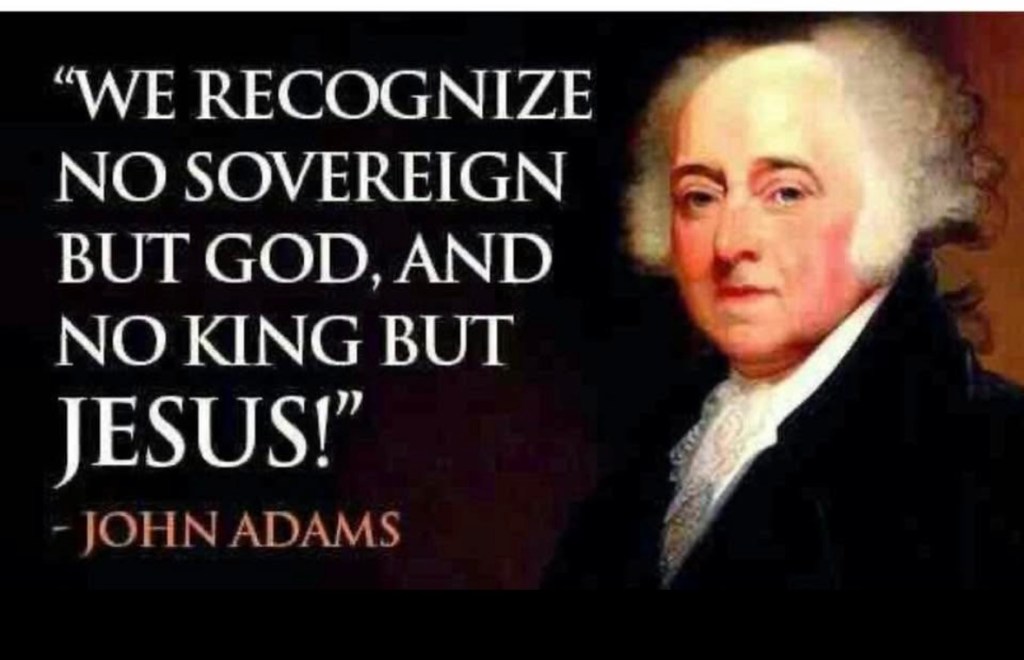
During Roman rule, Jesus steered clear of political protests, focusing instead on teaching trust in eternal values and promoting a peaceful life in an imperfect world. Protesting the government can create a mob mentality that leads to unrest, chaos, and riots which goes against God’s nature. To support the oppressed and mistreated, the Church has many ways to take action—both locally and globally—through voting, outreach, and legislative efforts to change civil laws. For example, voting is one of the simplest ways a Christian can influence culture. Christians aren’t meant to hide away or live in isolation from the world. They can make their voice heard by choosing leaders who uphold biblical values, while recognizing that everyone is imperfect. It is not wise for Christians to take part in disruptive or loud protests for any “offended group,” of which there are many in America today, such as Antifa, transgender, or MeToo movements.
There are often challenging situations in the world that are completely contrary to the Christian worldview. For example, a Christian doctor might be instructed to perform abortions and complies instead of refusing, acknowledging God as the ultimate giver of life in every circumstance. There are also situations where a teacher must go along with a school’s decision to allow transgender-themed books in the classroom or acknowledge a boy who identifies as a girl or risk losing their job. While there’s often some overlap between Church and State, a true follower of Christ aligns with the kingdom of God. God is the Creator, the Sustainer, and sovereign over all things.
God’s Way of Leading is Different from Any System on Earth
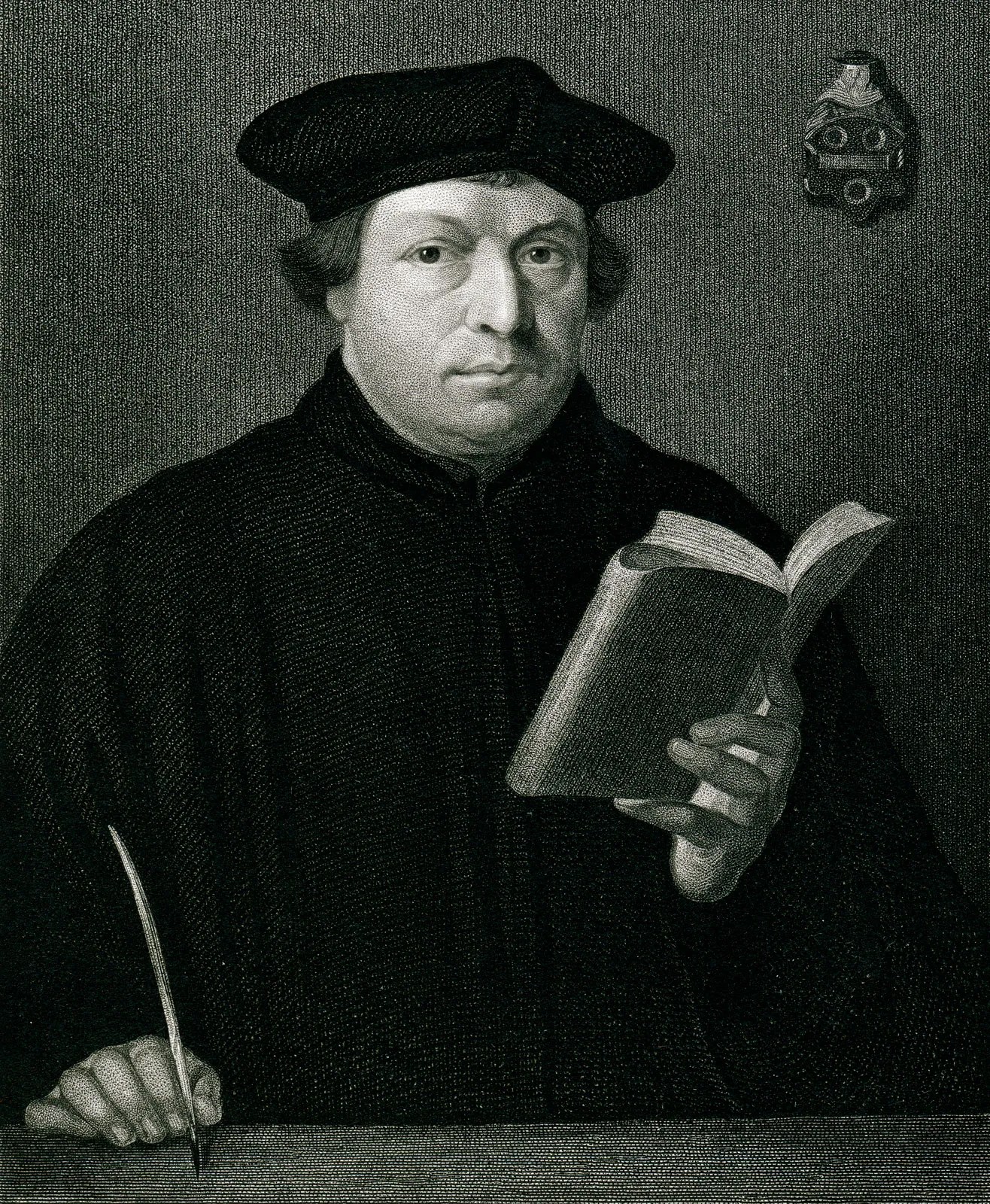
From the Church’s beginnings in the 1st century to the Reformation in the 16th century, Christians often found themselves in a state of uncertainty. Horton notes that Luther and Calvin in the 15th and 16th centuries sought to revive Augustine’s 4th–5th century concept of “two kingdoms”—heaven versus the world, or “love of God” versus “love of self.” To understand this idea of Church and State, it helps to look at Israel’s history as the only nation founded as a theocracy meant to serve as an example of God’s people to the world. In 1 Samuel 8, centuries later, Israel rejects God as King, demanding a human ruler like other nations. This was the moment Israel transitioned from being guided by a prophet, God’s messenger, to being ruled by a human leader who steered the nation away from truth and justice toward corruption and injustice.
History makes it clear that God’s way of governing is unlike any earthly system, as the world continues to stray, calling good evil and evil good (Isaiah 5:20). A merging of Church and State also occurred during Constantine’s reign (306–312 AD) when he legalized Christianity and made it the empire’s national religion. Christians went from being an oppressed minority to part of the establishment, living with dual citizenship. What may have begun with good intentions fell into sin marked by authoritarian control over others as the Roman Catholic Church misused its power expanding its reach and wealth through land acquisition becoming recognized as a leader of the world. Solomon said, “There is a way that appears to be right, but in the end it leads to death” (Proverbs 14:12).
Suffering


God has given people free will, yet nothing happens without His permission. Christians will inevitably face challenges from the secular world and may suffer for choosing to follow Him. These trials can bring uncertainty, indecision, depression, fear, injustice, and illness, ultimately helping them realize their need to depend on the Holy Spirit. True believers are called to be prepared to face consequences of hatred and hostility, as Scripture warns of suffering for the sake of God’s Word, “No student is above their Master” (Matt 10) as our Lord Jesus suffered the cross. You can’t belong to both the world’s kingdom and God’s; to follow Jesus, you must be part of the Kingdom of God; we are told to pick up our cross daily and follow Him (Matt 16). We see in Acts, Peter and John rejoice after being flogged by the Sanhedrin for preaching Christ, celebrating they were counted worthy to suffer disgrace for His Name (Acts 5:41). We see other examples of suffering, including all the Apostles, Elijah, David, Joseph, Jeremiah, Ezekiel, Mary, and of course Job. Job is a book about suffering, God allowed Satan to test Job: “…all that he has is in your hand. Only against him do not stretch out your hand” (Job 1:12). It can be hard to grasp God’s plan through our human limitations, but we’re called to trust Him. Jesus taught that following Him would bring suffering in a world that rejects truth—a reality increasingly visible in American society where some reshape biblical teaching to fit personal lifestyles. Jesus is the truth, and when He spoke to Pontius Pilate, “The reason I was born and came into the world is to testify to the truth, everyone on the side of truth listens to me,” and Pilate replied with sarcasm, “What is truth?” (John 18:37-38). That first-century exchange still rings true in the modern where truth comes from within, what I want it to be, treated as subjective—a view known as moral relativism (McQuilkin & Copan). In contrast, the Church teaches that truth comes from outside one’s self, knowing God’s Word, not human effort.
References:
Collinson, S. W., (2005). Making Disciples and the Christian Faith. Evangelical Review of Theology, 29(3), 240–250. Retrieved from https://lopes.idm.oclc.org/login?url=http://search.ebscohost.com/login.aspx?direct=true&db=a9h&AN=18750450&site=ehost-live&scope=site.
McGrath, A. (2012).Historical Theology: An Introduction to the History of Christian Thought.2nd edition. Retrieved from http://www.modernreformation.org/default.php?page=articledisplay&var2=750
McQuilkin, R., & Copan, P. (2014). An introduction to biblical ethics: Walking in the way of wisdom (3rd ed.). Downers Grove, IL: InterVarsity Press. ISBN-13: 9780830828180.
 FAITH in JESUS CHRIST ALONE - Jesus Forum