
Christian interpretation of Genesis 1 that acknowledges the Ancient Near Eastern context, and modern science

Ancient Near Eastern Worship
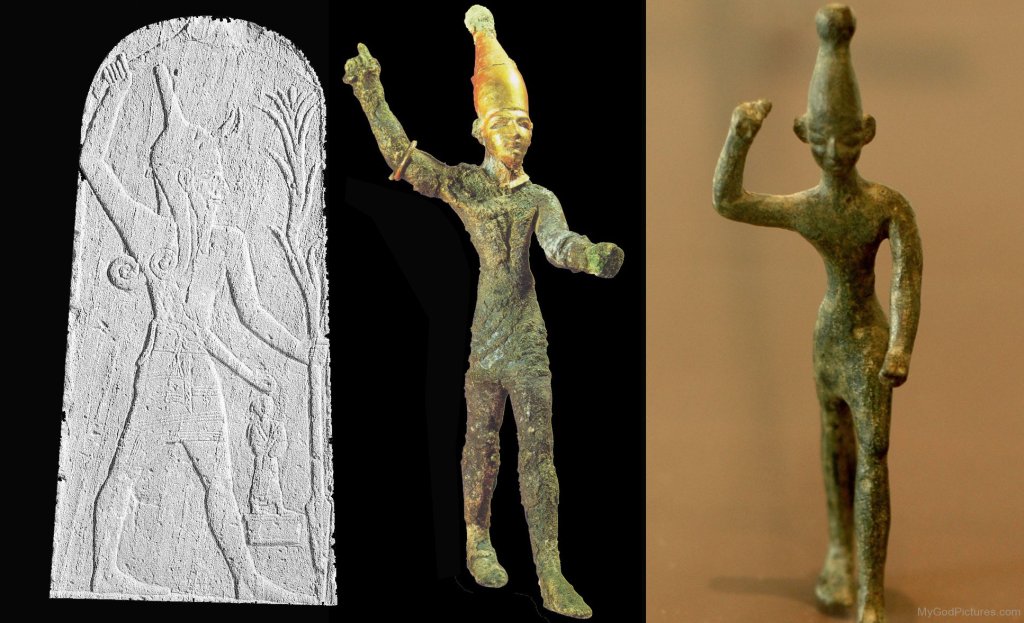
The ancients circulated many myths in response to major events such as the flood and the tower of Babel. In Mesopotamia, the Babylonian creation epic known as the Enuma Elish portrayed the gods as immoral, hostile toward humans, needy, and fearful. Many of the false gods worshiped were also connected to natural forces, Egyptians were known to worship Re (the sun), Shy (air), Geb (earth), and Neh (eternity). Similarly, the Mesopotamians honored deities such as Marduk (patron god of Babylon), Tiamat (water), and Sin (protector of the Euphrates region). Canaanite religion featured gods like Baal and Astarte, both associated with fertility.
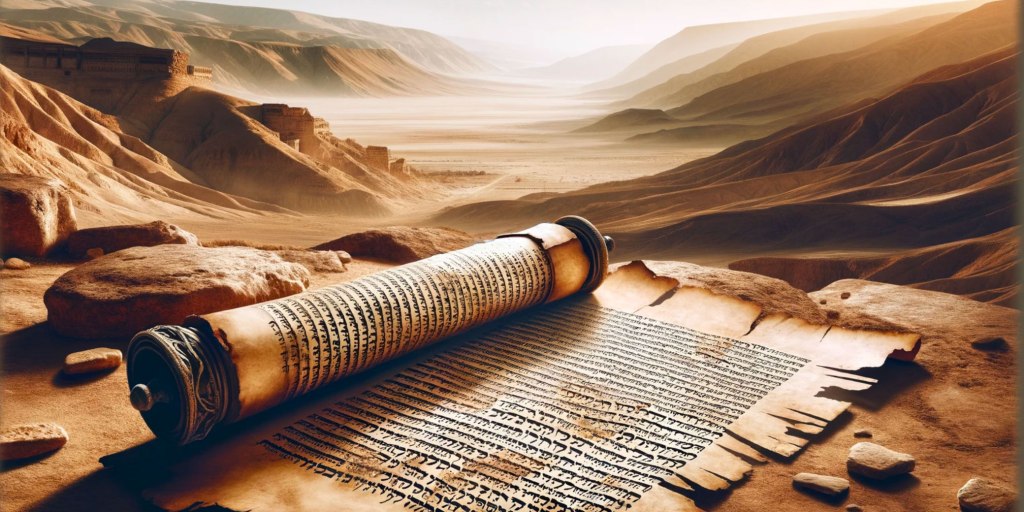
In contrast, the Pentateuch—the Torah attributed to Moses and later translated into Greek—served as a polemic against Near Eastern mythologies. It tells of the one true God of whom is moral and holy, characterized by love for humanity, constancy, eternity, omnipresence, omniscience, and omnipotence.
God is perfect, good, moral, virtuous, and holy, fundamentally distinct from the created order. As sovereign Creator, God fashions humanity in His image and entrusts them with dominion over the earth, thereby establishing a divinely ordered relational structure among human beings. This is articulated in Genesis 1:26, where humanity is mandated to exercise responsible governance over creation. By contrast, the deities of the Ancient Near Eastern cultures are nonexistent and rooted in human superstition. Ancient texts and modern scholarship note that such deities are portrayed as capricious, morally deficient, and emotionally detached from human welfare, often demanding forms of worship—including human sacrifice—intended to placate their volatility. These portrayals stand in stark opposition to the monotheistic God of the Bible of whom is ethically consistent, spiritually transcendent, and relationally engaged with humanity.
Earth Age Viewpoints
There are several perspectives on how the earth began and how old it is. The widely accepted Christian viewpoint that the history of humanity beginning with Adam goes back 6,000 years. This is young-earth creationism, believing that God created time itself, as reflected in Genesis 1:5: “God called the light ‘day,’ and the darkness he called ‘night.’ And there was evening, and there was morning—the first day.” Others hold to mature creation, the view that God created the earth already appearing aged and Adam was not created when the earth was. The day-age perspective suggests that the “days” in Genesis were long periods rather than 24-hour days, supported by Peter’s statement that “with the Lord one day is like a thousand years” (2 Peter 3). The analogical-day view interprets the creation “days” as an analogy to a human work week, with God working for six days and resting on the seventh. Because Genesis does not specify 24-hour periods, the length of these “days” may not be fixed.
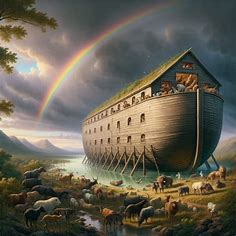
Isaac and Bertsche reports that various universities and government laboratories have done work on accelerated decay specifically to the disposal of radioactive waste. Radioactive decay could have been at rates in the past due to catastrophic events such as the flood in Genesis 6.
These interpretations need not conflict with scientific inquiry; as theologian Poythress notes, God’s consistent and wise governance provides the very foundation for doing science. Einstein, Newton, Doppler and Hubble led discoveries concerning the nature of matter as energy, universe expanding, speed of light and sound vibrations which all point to intelligent design versus random.
 FAITH in JESUS CHRIST ALONE - Jesus Forum