
April 2025
SIN, THE “PRIVATION OF THE GOOD”
People often don’t recognize their own brokenness, which can lead to ongoing pain, loss, and destruction, because they don’t fully understand who God is, who they are, or how harmful sin really is. The Fall took away much of humanity’s grace but left an innate sense and basic understanding of right and wrong. Then comes that “aha” moment—a revelation—when a believer humbly realizes how unaware they’ve been all along. It’s like suddenly being given new eyes and ears.
A true believer cannot love God and the world (Matt 6), and will experience the following:
1. Battle between flesh (selfishness) and spirit (other-centered) as the flesh desires to have what it wants and what it wants is sinful pleasures all the time.
2. Heart and mind continually undergoes a process of transformation as they grow to become more Christ-like, “Do not be conformed to this world, but be transformed by the renewal of your mind, that by testing you may discern what is the will of God, what is good and acceptable and perfect” (Romans 12:2 ESV).
3. Hold a Christian worldview that sees the world differently than before; truly for what it is, dark, unjust, unfair, cruel, idolatrous, and deceiving with its ruler, Satan (enemy, devil, prince of this world).
4. Expect to be rejected by friends and family; Jesus was hated, expect the same (John 15:18).


In Romans 5, Paul teaches that humanity began “in Adam” but was later redeemed through the “second Adam,” Jesus Christ. Original sin separated people from God, but Jesus’ sacrifice on the cross closed that gap, making a relationship with God possible. Humanity’s brokenness wasn’t part of the original design—it came from losing something once possessed. Because God is love, holy, and completely unique, His nature produces only goodness. As Matthew says, “A good tree cannot bear bad fruit, and a bad tree cannot bear good fruit” (Matthew 7:18). God made Adam and Eve “good,” giving them some of His divine attributes. Out of love, He gave them freedom, which came with risk. That freedom led to their rebellion, plunging the world into brokenness and making the knowledge of good and evil real—what we call Original Sin. Tempted by the serpent in Genesis 3, they sought to be like God, “…when you eat from it your eyes will be opened, and you will be like God, knowing good and evil” (Genesis 3:4). The Old Testament shows humanity’s tendency toward sin, and Adam’s condition carried over to all his descendants. This disobedience set a pattern—from eating the forbidden fruit to Cain killing Abel, worshiping false gods, and ultimately crucifying the Messiah.
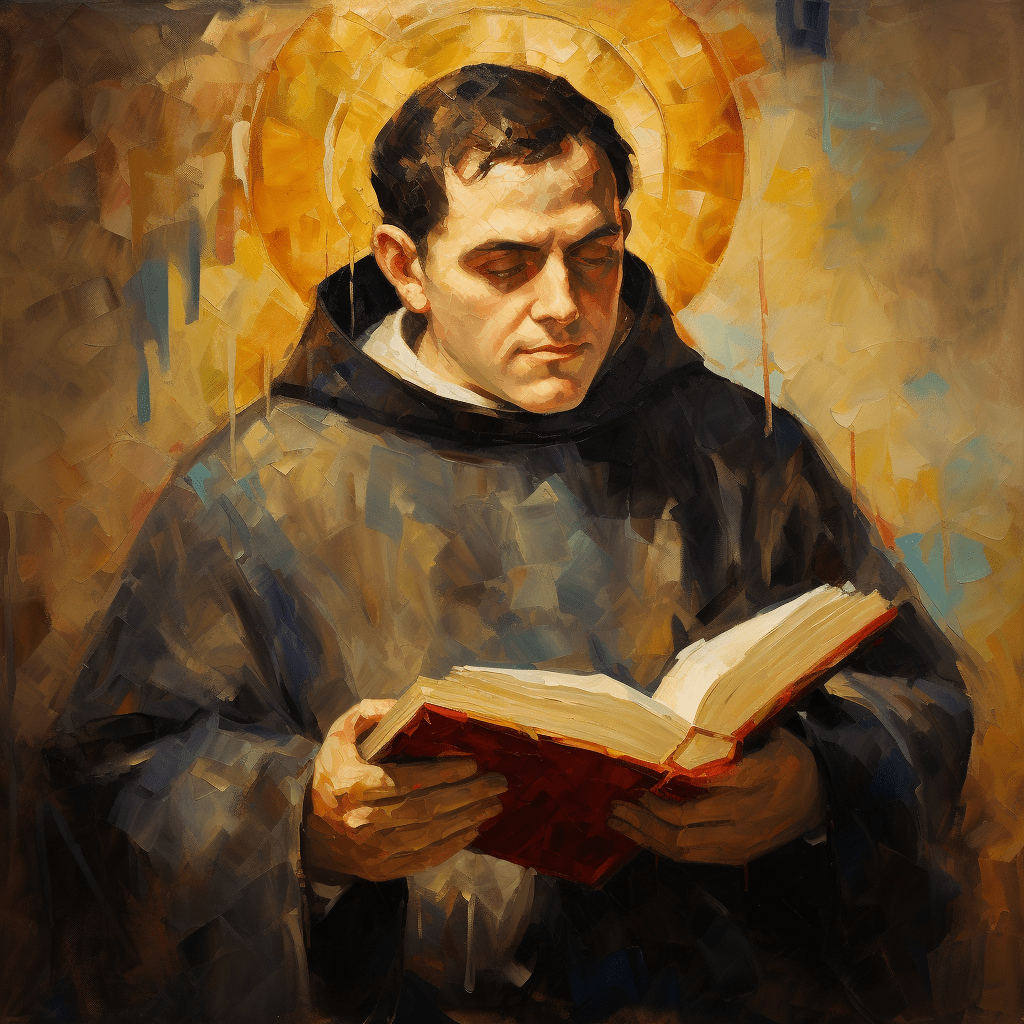
Sin can show up in all kinds of ways. Thomas Aquinas believed Adam and Eve had original justice until the events of Genesis 3. In his view, desire is a natural part of being human, as people long for their ultimate purpose, and this desire was meant to be guided by divine intellect—what he called original justice. Adam’s original justice meant he had righteousness and integrity, living in line with God’s laws. Original sin is simply the loss of that justice, which should have remained through Adam’s will but didn’t. Classical theology says sin comes from the lower part of human nature, showing self-centeredness instead of God-centeredness, and slavery instead of freedom. Kevin Vanhoozer, cited in Bird, urges evangelicals to rekindle their passion for biblical formation—a willingness to be shaped and transformed by the truth of the Gospel. Desire itself isn’t wrong until it’s tied to sin; as Romans 8 and Galatians 5 point out, people can live in obedience to God, resisting the flesh and sinful urges. Sin often starts as the devil’s thoughts slipping into our own, becoming powerful once they take root.
Our Hope
Through Jesus, God provides a way to restore creation to goodness and holiness, making a renewed relationship with Him possible. Both the Old and New Testaments show that humans were created to live in health. He “shared in their humanity so that by his death he might break the power of him who holds the power of death—that is, the devil—and free those who all their lives were held in slavery by their fear of death” (Hebrews 2:14-15). In Genesis 3, the serpent tempted Adam and Eve by appealing to the lower desires of the soul. The Gospel reveals how we can move from brokenness in mind, body, and soul toward wholeness and true humanity. This flaw in human nature brought physical, mental, and spiritual sickness, yet Jesus healed the suffering, the demon-possessed, the paralyzed, and even raised the dead. God is the Creator, as The Gospel of John tells us: “In the beginning was the Word, and the Word was with God, and the Word was God” (John 1:1). Through Jesus, “all things were made; without him nothing was made that has been made. In him was life, and that life was the light of all mankind” (John 1:3-4). Humanity’s journey from potential to fulfillment is only possible through God, who is “pure actual,” fully real and complete, with no need to become anything else. God is perfect and pure. Paul teaches that through Adam, sin entered the world (Romans 5:12), and while our fallen nature shapes human behavior, we remain intentional beings who look beyond ourselves. The Gospel is the good news of Jesus Christ, offering salvation by God’s grace through the power of the Holy Spirit. Because of Adam and Eve’s sin, all people are born sinners: “The Lord saw how great the wickedness of humanity had become on the earth, and that every inclination of the human heart was only evil all the time” (Genesis 6:5). Humanity moves from recognizing sin through God’s Law in Exodus and Deuteronomy to gaining a deeper understanding of our purpose.
References:
Berkhof, L.. Man in the State of Sin in Part Two: The Doctrine of Man in Relation to God. Systematic Theology. Retrieved by: https://www.monergism.com/thethreshold/sdg/berkhof/systematic_theology.htmlBird, M. F., (2013). Evangelical Theology: A Biblical and Systematic Introduction. Grand Rapids, MI: William B. Eerdmans Publishing. Retrieved from: http://www.gcumedia.com/digital-resources/harpercollins/2013/evangelical-theology_a-biblical-and-systematic-introduction_ebook_1e.php
Highfield, R. (2008). Great is the Lord: Theology for the praise of God. Grand Rapids, MI: William B. Eerdmans Publishing. Retrieved from: https://lc-ugrad3.gcu.edu/learningPlatform/externalLinks/externalLinks.html?operation=redirectToExternalLink&externalLink=http%3A%2F%2Fgcumedia.com%2Fdigital-resources%2Fwm-b-eerdmans-publishing-co%2F2008%2Fgreat-is-the-lord_theology-for-the-praise-of-god_ebook_1e.php
Houck, D. W. (2016). Natura Humana Relieta est Christo: Thomas Aquinas on the Effects of Original Sin. Archa Verbi, (13), 68-102. Retrieved from: https://lopes.idm.oclc.org/login?url=http://search.ebscohost.com/login.aspx?direct=true&db=a9h&AN=123947781&site=eds-live&scope=site
Hybels, B., Mittelberg, M. (1994). Becoming a contagious Christian. Grand Rapids, MI: Zondervan. ISBN-13: 9780310210085. Retrieved from http://gcumedia.com/digital-resources/harpercollins/1996/becoming-a-contagious-christian_ebook_1e.php
Novello, H. L. (2009). Lack of Personal, Social and Cosmic Integration: Original Sin from an Eschatological Perspective. Pacifica, 22(2), 171-197. Retrieved from: https://lopes.idm.oclc.org/login?url=http://search.ebscohost.com/login.aspx?direct=true&db=a9h&AN=58618677&site=eds-live&scope=site
Stillwaggon, J. (2014). The Problem of Propagation: Original Sin as Inherited Discourse. Studies In Philosophy & Education, 33(1), 61-73. doi:10.1007/s11217-013-9362-7. Retrieved from: https://lopes.idm.oclc.org/login?url=http://search.ebscohost.com/login.aspx?direct=true&db=a9h&AN=93447361&site=eds-live&scope=site c
 FAITH in JESUS CHRIST ALONE - Jesus Forum