

Differing Worldviews
Are you more heavenly-minded, utopian-minded, or somewhere in between? For Christians, the heavenly perspective is the only answer, as James warns against being doubleminded (James 1:8). A heavenly mindset focuses on the supernatural, views life through an eternal lens, trusts in Jesus, and anticipates His return. In contrast, the utopia-minded hold a secular worldview, approach life naturally, rely on human effort, follow your heart, and aim to create an ideal world. Evolutionists believe creation happened by chance and often dismiss faith in the supernatural, claiming that if something can’t be physically seen, it doesn’t exist. For believers, it’s harder to deny the presence of an all-powerful, ever-present, and all-knowing God who reveals His power daily through creation. The rising and setting of the sun are seen as signs of the Creator’s unmatched wisdom, sovereignty, and control. From a heavenly perspective, the utopian view reflects John Lennon’s “Imagine,” longing for no heaven, no hell, no religion, and no borders are considered fantasy, illusion, and ultimately un-Godly. Some might wonder, if people are naturally flawed, what about an atheist who helps the poor? Both believers and nonbelievers can show kindness and generosity, since everyone is made in the image of God. From a heavenly view, any goodness in a person comes from God, not themselves. Those focused on the heavenly see it as a blessing to acknowledge their sinful nature while facing daily struggles of the flesh. Only God truly knows the heart’s deepest motives, as Jeremiah 17;9 says, “The heart is deceitful above all things, and desperately sick; who can understand it?”
Utopia focus on the things below the firmament while the Heavenly focus on things above
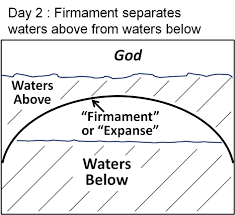
letterstocreationists.wordpress.com/2012
Globalization Since the Beginning

Throughout history, mankind has sought to dominate the world, from Babylon (605–539 BC) and Medo-Persia (539–332 BC) to Greece (332–168 BC), Rome (168 BC–476 AD), and the divided Rome/Catholic Church Papacy. Evil seems to come naturally to humanity, and when it becomes unified, its influence can grow beyond imagination (Jeremiah 19:5). This is why achieving a utopia is impossible. As one commentary notes, “men continue to band themselves together against God. They feel two or more men united against God have a better chance than one man set against God” (D. Guzik). Figures and groups like Hitler, the League of Nations after WWI, the United Nations after WWII, and more recently globally driven billionaires, serve as examples of attempts to unify the world under one government or order. The books of Ezekiel, Daniel, and Revelation speak of a day when God will allow a one-world order to take shape, after which the end will come. Revelation 13 describes all nations worshiping the beast through the Antichrist: “…And authority was given it over every tribe and people and language and nation, and all who dwell on earth will worship it, everyone whose name has not been written before the foundation of the world in the book of life of the Lamb who was slain”.
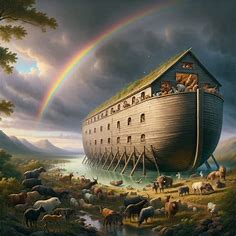
The earliest hints of globalization trace back to Noah’s descendants who settled in the Mesopotamian region later known as Babel and gradually fell deeper into sin. Genesis 11:1 says, “the whole world had one language and a common speech”, and like Adam and Eve, these post-flood people were told to spread out and fill the earth (Gen 1:28; 9:7). Instead, they defied God, stayed in one place, and sank further into idolatry worshiping the sun, moon, and stars. As with Babel and many civilizations after, God turned away giving them over to “the lusts of their hearts to impurity, to the dishonoring of their bodies among themselves because they exchanged the truth about God for a lie and worshiped and served the creature rather than the Creator…” (Romans 1:24-25). The Tower of Babel story concludes with God scattering the people by confusing their language, explaining how the world came to have so many different tongues.

Suffering for the Heavenly Worldview
Hardships and suffering come in many forms—some from the enemy but still under God’s sovereignty, as in the Book of Job; and others as tests from God to strengthen faith or reveal false believers. That doesn’t mean believers can’t have joy; it’s important to distinguish between joy and happiness. Joy is something you can experience in any circumstance, while happiness comes from external factors and tends to come and go. As James teaches, joy comes from being filled with the Holy Spirit, not from worldly possessions. Owning nice things isn’t wrong, but they should never take priority over our desire for God. False teachers like Joel Osteen often push a self-help, feel-good message focused on boosting self-esteem and improving life now, but that’s not the Gospel. Jesus warned that following Him means facing hatred because this world belongs to Satan: “…In this world you will have trouble…” (John 16:33). Christians are called to find joy, but seeking it through prosperity preaching is misleading and unbiblical. True spiritual growth happens not when life is easy, but through trials and challenges that pull us away from worldly attachments. Paul even asked God to remove his suffering, describing it as “a thorn in the flesh, a messenger of Satan to torment me”, God’s response, “My grace is sufficient for you, for my power is made perfect in weakness” (2 Corinthians 12:9).
In Conclusion
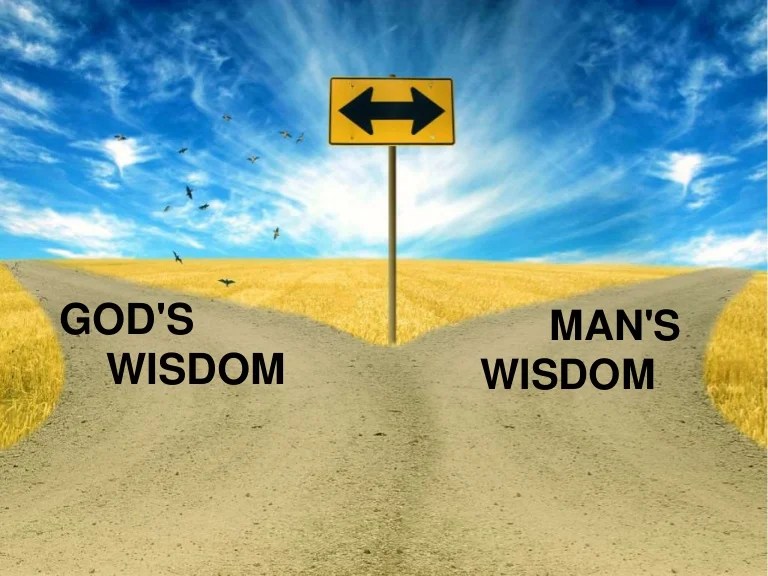
Recognizing one’s depravity is what sets the heavenly mindset apart from the utopian one. As Ezekiel says, “I will give you a new heart and put a new spirit in you; I will remove from you your heart of stone and give you a heart of flesh” (Ezekiel 36:26). The utopian view focuses on self-esteem, sees humanity as inherently good, and trusts in human wisdom and reason. From a heavenly perspective, this is seen as arrogant and misguided, leading to God’s promise to “…destroy the wisdom of the wise, and the discernment of the discerning I will thwart” (1 Corinthians 1:19). All people have a natural longing to connect with their Creator, being made in His image. As Spurgeon put it, “To a graceless neck the yoke of Christ is intolerable, but to the saved sinner it is easy and light … We may judge ourselves by this: do we love that yoke, or do we wish to cast it from us?” Recognizing our shortcomings and need for a Savior makes all the difference.

References:
Firmament Google Image. (2012). https://letterstocreationists.wordpress.com/2012/09/03/was-the-expanse-overhead-in-genesis-1-a-solid-dome/. Retrieved from: https://www.google.com/search?
Guzik, D. (2017). BlueLetterBible. Retrieved from: https://www.blueletterbible.org/Comm/guzik_david/StudyGuide2017-Psa/Psa-2.cfm
Spurgeon, C. (2017). BlueLetterBible. Retrieved from: https://www.blueletterbible.org/Comm/guzik_david/StudyGuide2017-Psa/Psa-2.cfm
 FAITH in JESUS CHRIST ALONE - Jesus Forum